Basic Profile
Trey McMillan started Lowcountry Oyster Co. around 2017 in the ACE Basin, near Mosquito Creek, after a permit process that took 16 to 18 months. A year later it was described as the largest floating-cage oyster farm in South Carolina.1

Singles in a Cluster State
South Carolina's wild oysters grow in sharp-edged clusters, good for roasting and awkward on a half-shell plate. Farms like this one grow them one at a time. The oysters sit in mesh bags inside cages hung from two floats, under water for most of their lives so they can feed without a break. To shape them, the crew runs them through a rotating hopper that knocks off the thin shell edge and deepens the cup.1
It is still a small field. In 2018 the state had 38 mariculture permits, and only 10 were for oysters alone. Maryland, by comparison, had 173 oyster farmers in 2016.1
Flavor Breakdown
What Makes ACE Basin Unique
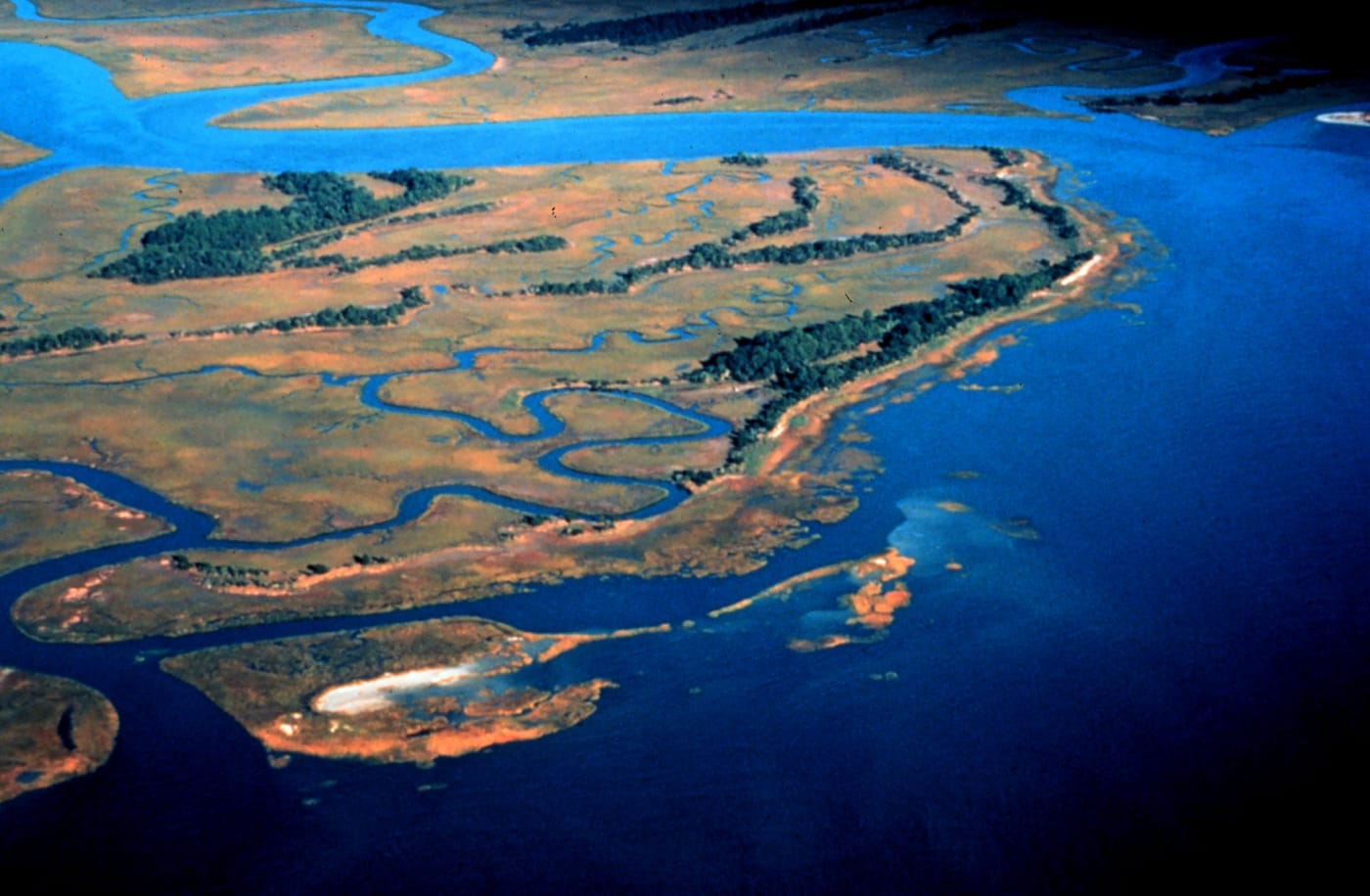
A deep-cupped single from a state whose oysters are known for coming in clumps. The farm is the largest of its kind in the state, in one of the biggest undeveloped estuaries on the East Coast.1
Should You Add Lemon?
Sweet and creamy, and brighter with a squeeze.
Pairing Guide
Brings the salt and acid the oyster holds back.
Cold, in keeping with the climate.
| Optimal | Lemon |
| Acceptable | Mignonette or hot sauce |
| Avoid | Heavy cocktail sauce |
Who Is This For?
- People who want a Southern oyster on the half shell
- Fans of sweet, creamy oysters
- Brine hunters
- Quinn, C. (24 October 2018). "Lowcountry Oyster Co. is among those betting big on farmed oysters." Charleston City Paper. charlestoncitypaper.com