Basic Profile
Akkeshi's name comes from the Ainu for "oyster place", after the oysters of Lake Akkeshi in eastern Hokkaido. Overfishing between 1880 and 1900 almost wiped them out, and for decades the town relied on young oysters brought in from Miyagi.1
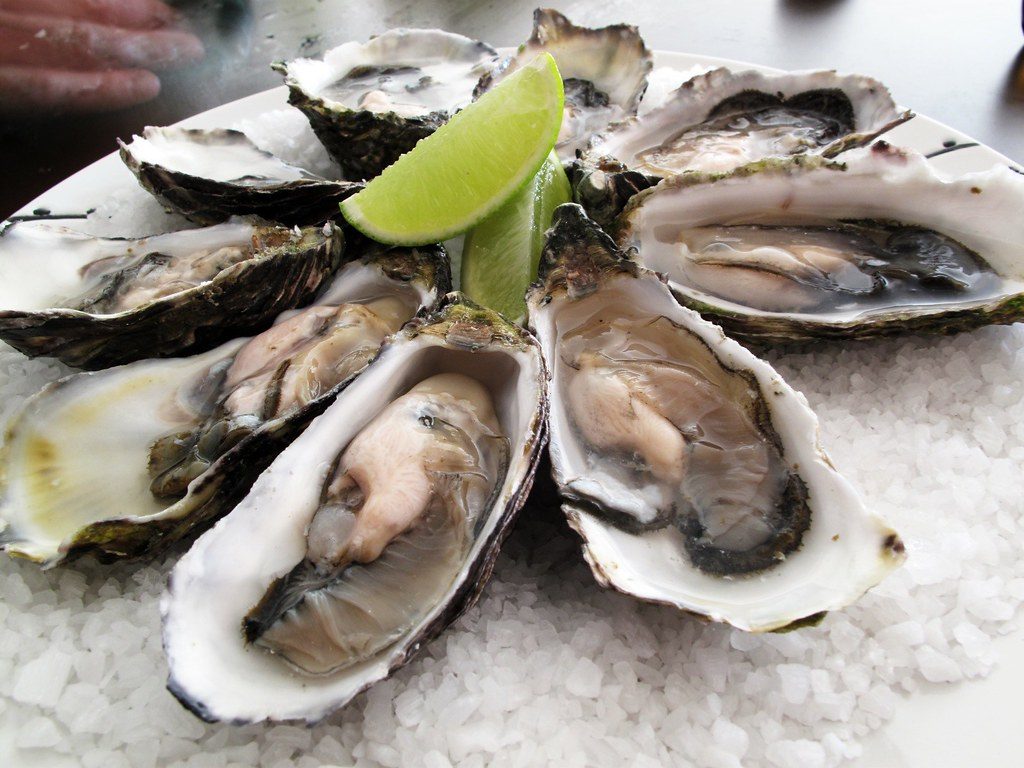
The Comeback
In 2004 Akkeshi's own oysters returned, raised from larvae fertilized in tanks, a first in Japan, and grown on in local waters. They are sold as Kakiemon; a limited brand, Benten Kaki, followed in 2016.1 A shrine on the lake stands on an ancient oyster-shell mound.1 Lake Akkeshi itself is a brackish, 32 km² Ramsar wetland.2
Flavor Breakdown
What Makes Akkeshi Unique
Most northern oysters have a season; Akkeshi sells its own all year, moving them between the lake and the port over about three years.1 And the Kakiemon is a homecoming: the town's own oyster, brought back from local stock after a century of imported seed.
Should You Add Lemon?
Try one plain; in winter the sweetness carries it.
Pairing Guide
Local and dry.
The town has its own distillery; a sip between oysters.
| Optimal | Plain |
| Acceptable | Ponzu |
| Avoid | Cocktail sauce |
Who Is This For?
- Travelers in eastern Hokkaido
- Anyone who wants oysters in summer from cold water
- Anyone expecting a big, briny oyster
- Kushiro Lake Akan Tourism. "[Akkeshi Town] Oysters available year round." kushiro-lakeakan.com
- "Lake Akkeshi." en.wikipedia.org