Basic Profile
Aunt Dotty oysters come from Saquish Neck, on the far side of Duxbury Bay in Massachusetts, where Skip Bennett of Island Creek Oysters farms them. They are named after his great-aunt Dotty, the original resident of the family cottage at Saquish, who lived off-grid in the 1940s and kept the family business going after her lobsterman husband died.1
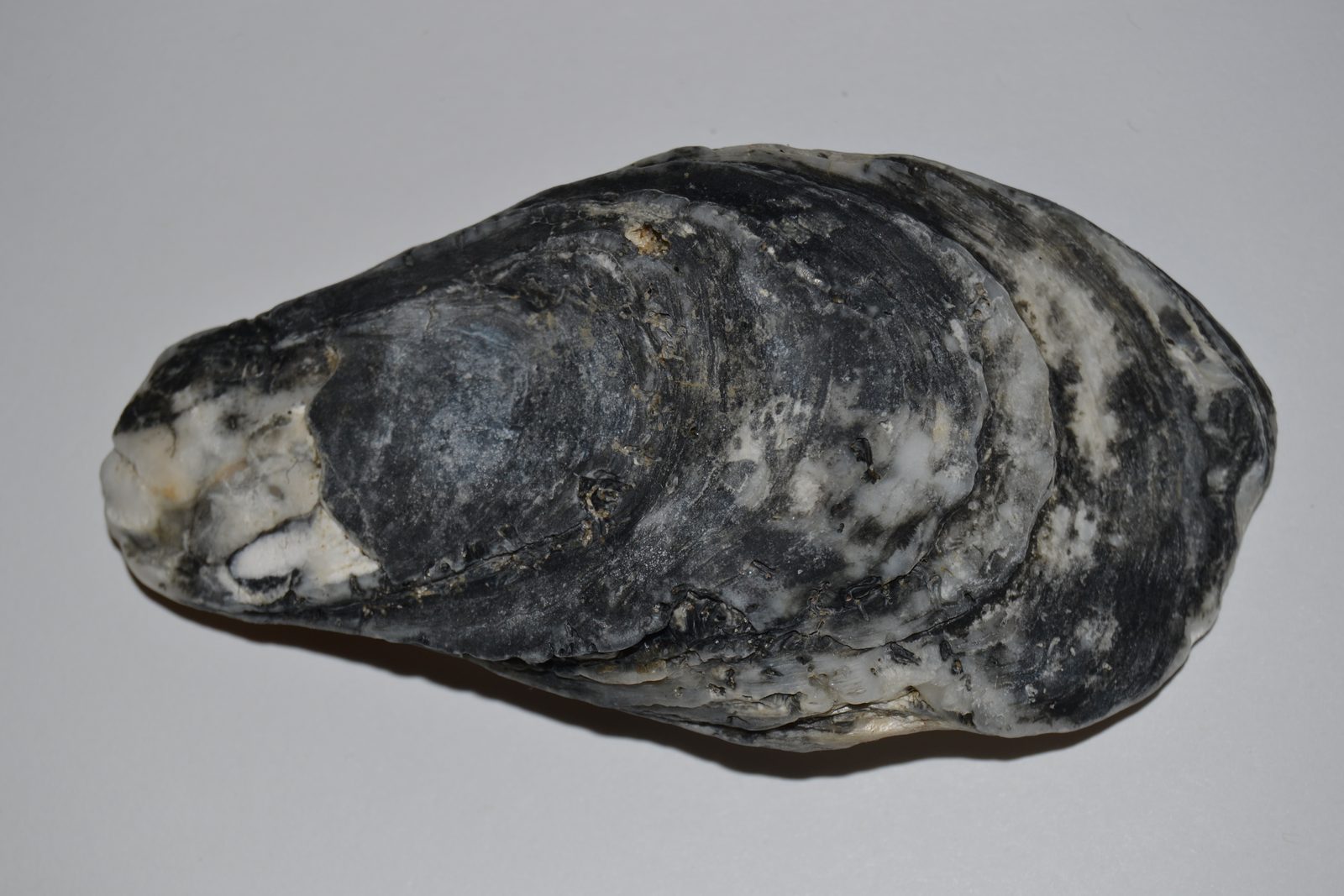
Trays on the Flats
The oysters spend three years in trays on the tidal flats at Saquish, near the mouth of Duxbury Bay. The tides there run long, so the trays sit out of the water for three to four hours at each low tide, which is also what lets the crew harvest all year.1 The same company grows its better-known Island Creek oysters elsewhere in Duxbury Bay.
Flavor Breakdown
What Makes Aunt Dotty Unique
Three years is a long grow-out for a tray oyster, and the Saquish trays spend hours in the air at every low tide on top of that. By Island Creek's own account the result is a small shell packed with dense meat, and a salt level it calls intense. That is the whole pitch: maximum meat and salt in minimum shell.
Should You Add Lemon?
The walnut finish is the reason to order it, and lemon covers it.
Pairing Guide
The lees give the wine enough weight to meet the salt, and it has no fruit to fight the nori note.
Roast malt picks up the bitter-walnut finish the grower describes.
| Optimal | Nothing |
| Acceptable | A few drops of mignonette |
| Avoid | Cocktail sauce, which buries the seaweed note |
Who Is This For?
- Salt-first oyster eaters
- Anyone who wants a lot of meat in a small shell
- First-timers hoping for something sweet and gentle
- Island Creek Oysters. "Aunt Dotty." islandcreekoysters.com