Basic Profile
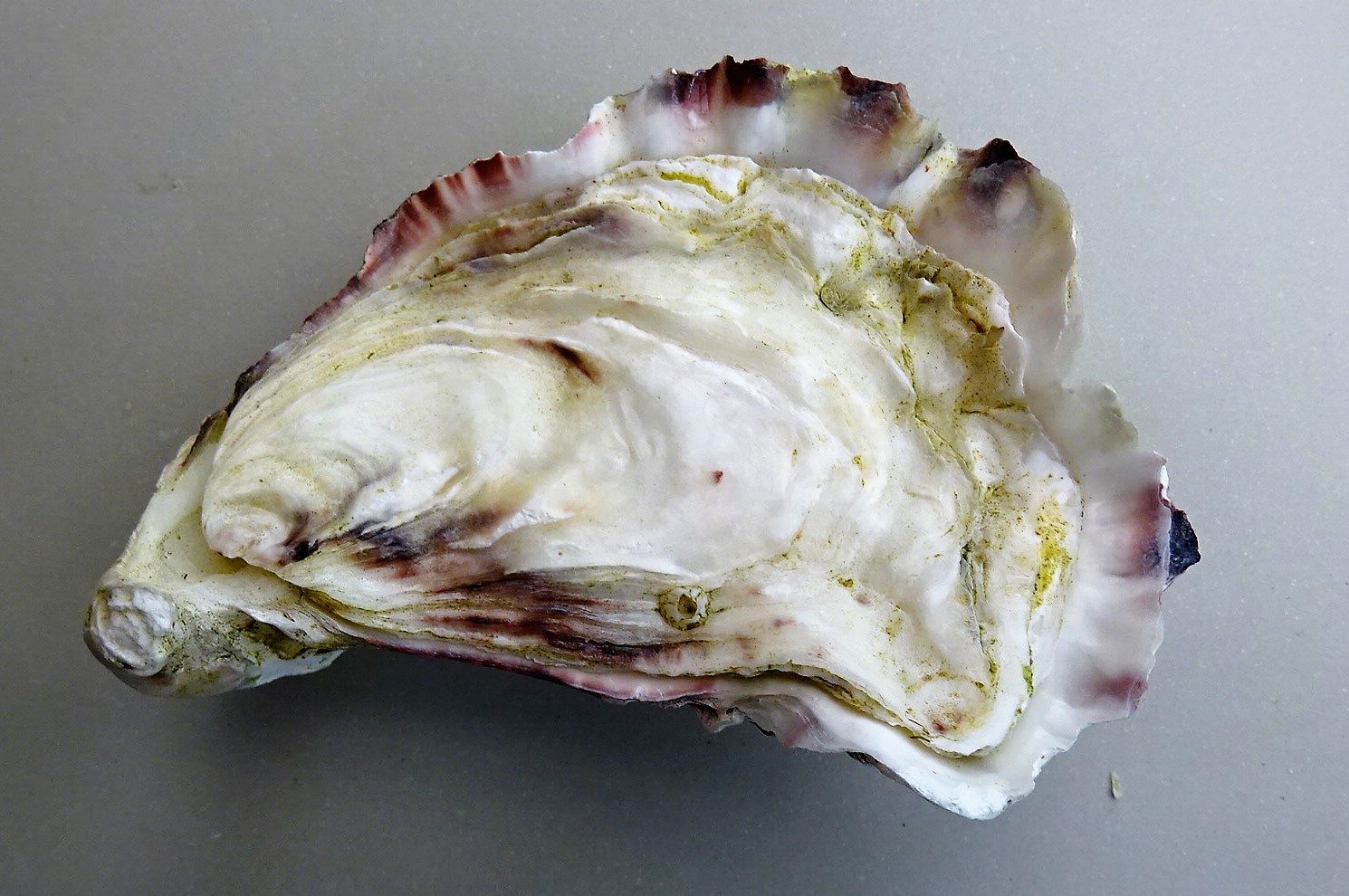
Dabob Bay forms the "hood" in Hood Canal's cobra-like shape. Rowan Jacobsen describes it as hundreds of feet deep, surrounded by steep, dark evergreen forest, and cold, with little food for oysters. Taylor Shellfish runs a hatchery on the bay because the clear, algae-poor water suits hatchery work.1
Slow Growth
With limited food, Dabob oysters grow slowly, which Jacobsen credits for their light, crisp, salty character.1 Dabob Bay is the largest internal bay of Hood Canal.2 For the rest of the canal, see Hood Canal.
Flavor Breakdown
What Makes Dabob Bay Unique
Dabob Bay's water is so poor in algae that Taylor Shellfish put a hatchery on it, precisely because wild algae would not compete with the strains it cultivates.1 The same scarcity makes the bay's oysters lean. Most oyster water is prized for being rich; Dabob is prized for being empty.
Should You Add Lemon?
A small squeeze suits a light, salty oyster.
Pairing Guide
Lean meets lean.
Bright acid, no weight.
| Optimal | Plain or mignonette |
| Acceptable | Lemon |
| Avoid | Heavy cocktail sauce |
Who Is This For?
- Fans of salty, crisp Pacifics
- Anyone curious about how oyster hatcheries choose their water
- Anyone who wants a big, creamy oyster
- Jacobsen, R. "Dabob Bay." The Oyster Guide. oysterguide.com
- "Hood Canal." en.wikipedia.org