Basic Profile
New Hampshire has two oyster estuaries. In 2021, 73.9 of its 80.4 farmed acres were in Little Bay, part of the Great Bay estuary, and 6.5 acres in the Hampton-Seabrook Estuary, worked by a single business.1
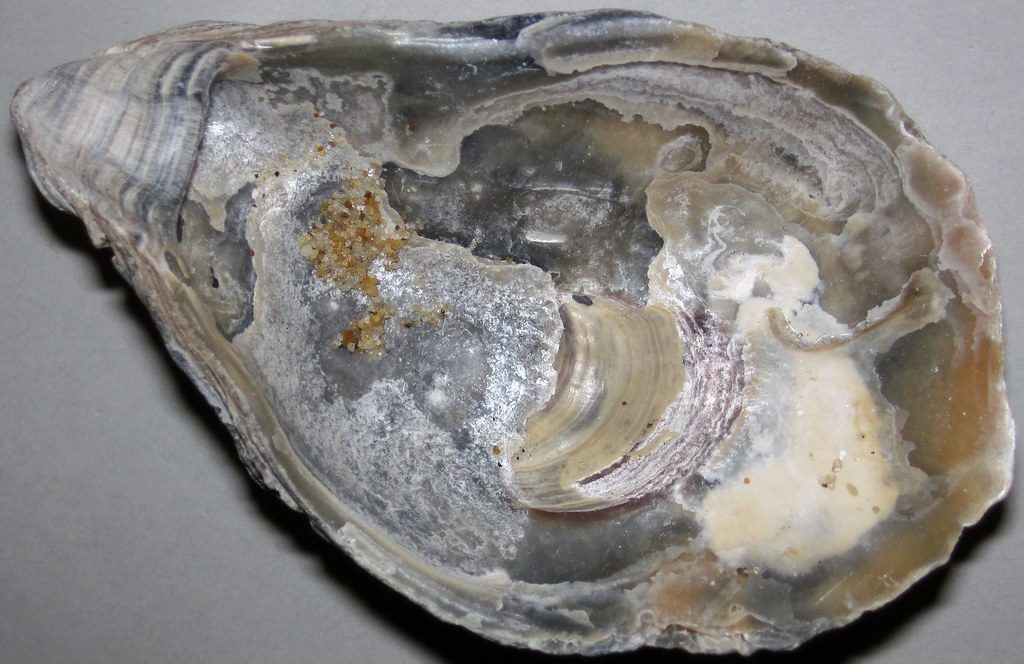
Swell Oyster Co.
That business is Swell Oyster Co., founded by Conor Walsh and Russ Hilliard. It was the first oyster farm in Hampton Harbor and the first permitted for suspended aquaculture in New Hampshire, and it uses both suspended gear and rack-and-bag.2 NOAA described its Swell Oyster Shack as the state's first farm-to-table shellfish operation with a storefront.2 New Hampshire's other oyster water, Little Bay, is covered under Fox Point.
Flavor Breakdown
What Makes Hampton-Seabrook Unique
It is one farm on 6.5 acres, the entire oyster presence of New Hampshire's coastal estuary.1 If you eat an oyster from the Hampton-Seabrook Estuary, you know exactly who grew it.
Should You Add Lemon?
A squeeze suits a salty harbor oyster, but try one plain.
Pairing Guide
Lean and salty, like the oyster.
A local beer that stands up to the brine.
| Optimal | Mignonette |
| Acceptable | Lemon |
| Avoid | Heavy cocktail sauce |
Who Is This For?
- Visitors to Hampton Beach
- Anyone comparing coast and estuary oysters
- Those who want a soft, low-salt oyster
- New Hampshire Sea Grant (2022). "Oyster Aquaculture in the Granite State" fact sheet. seagrant.unh.edu (PDF)
- NOAA Fisheries (2022). "Tide to Table Profile: Swell Oyster Co." fisheries.noaa.gov