Basic Profile
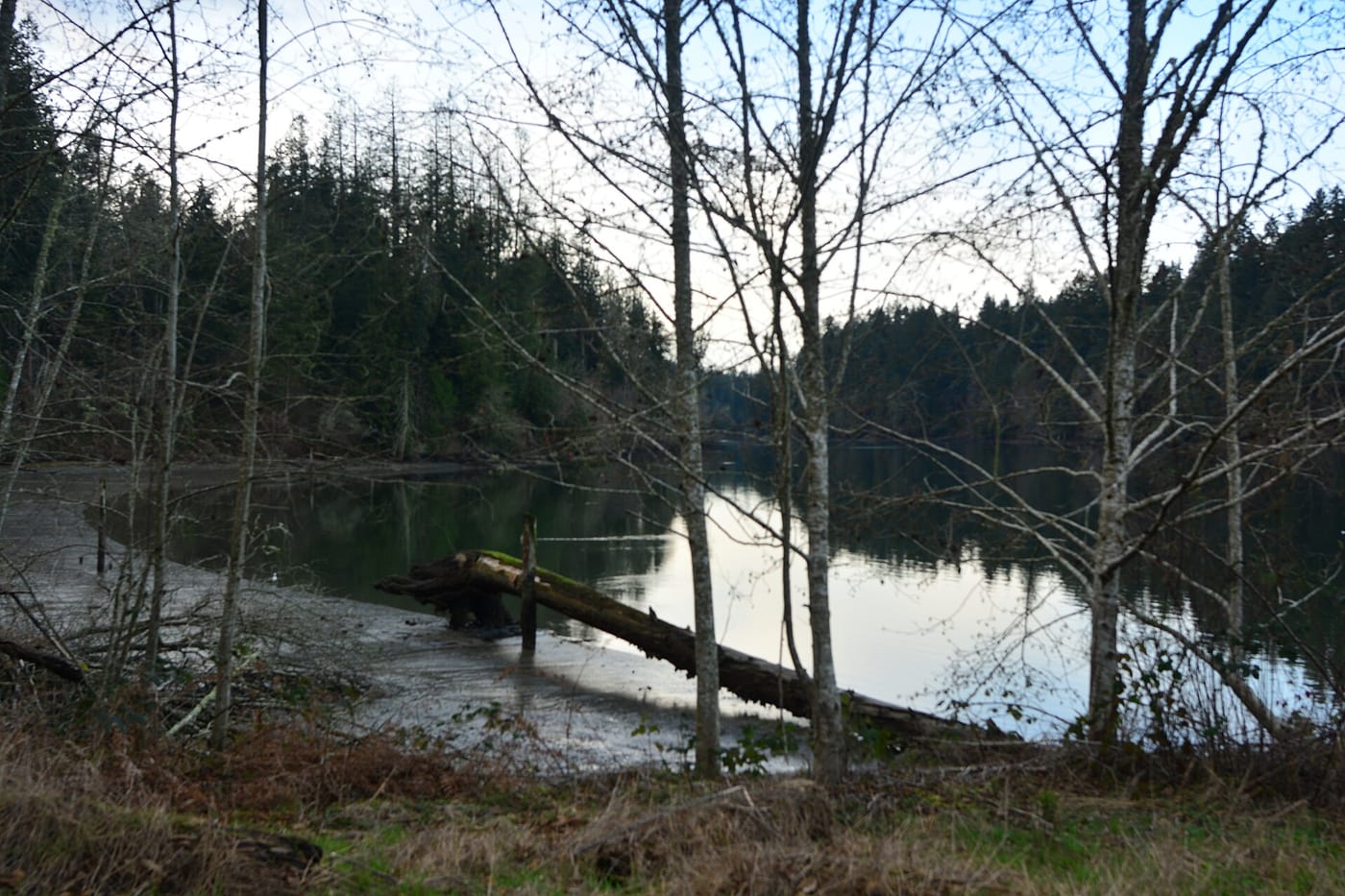
The Henderson Inlet Community Shellfish Farm started in 2002, on tidelands that were closed to harvest because of water quality. Its partners included Washington State University, Elliott's Oyster House and the Pacific Coast Shellfish Growers Association.1

Oysters as a Test
The idea was that an oyster nobody is allowed to sell is the clearest argument for fixing the water. In 2008 the water had improved enough for Henderson Inlet oysters to go on sale for the first time, through Olympia Seafood Company in downtown Olympia. All sales went back into the farm's water-quality work, and the farm set up what Rowan Jacobsen called possibly the world's first oyster CSA.2
On 27 January 2010 the Washington Department of Health upgraded 240 acres of the inlet's commercial growing area to Approved, and another 100 acres followed. The fund notes that water quality improved even as development around the inlet increased, against predictions.1
Flavor Breakdown
What Makes Henderson Inlet Unique
Few oysters exist to prove a point about sewage and stormwater. This one was planted on closed tidelands so that selling it would require cleaning up the inlet, and 340 acres were upgraded.1
Should You Add Lemon?
Sweet and full, and fine with a squeeze.
Pairing Guide
Pear and acid for a sweet oyster.
Plain and cold.
| Optimal | Lemon |
| Acceptable | Mignonette |
| Avoid | Heavy cocktail sauce |
Who Is This For?
- People who want their oyster money to do something
- Olympia locals
- Brine hunters
- Puget Sound Restoration Fund. "Community Shellfish Farms." restorationfund.org
- Jacobsen, R. (20 October 2009). "Henderson Inlet Oysters." The Oyster Guide. oysterguide.com