Basic Profile
The Limfjord runs about 180 km across northern Jutland. Until 1825 it was brackish; on February 3 of that year a storm broke through the Agger isthmus to the North Sea, and the fjord today has ocean salinity of about 30 at all depths.1 That change made room for the wild European flat oysters it is now known for.
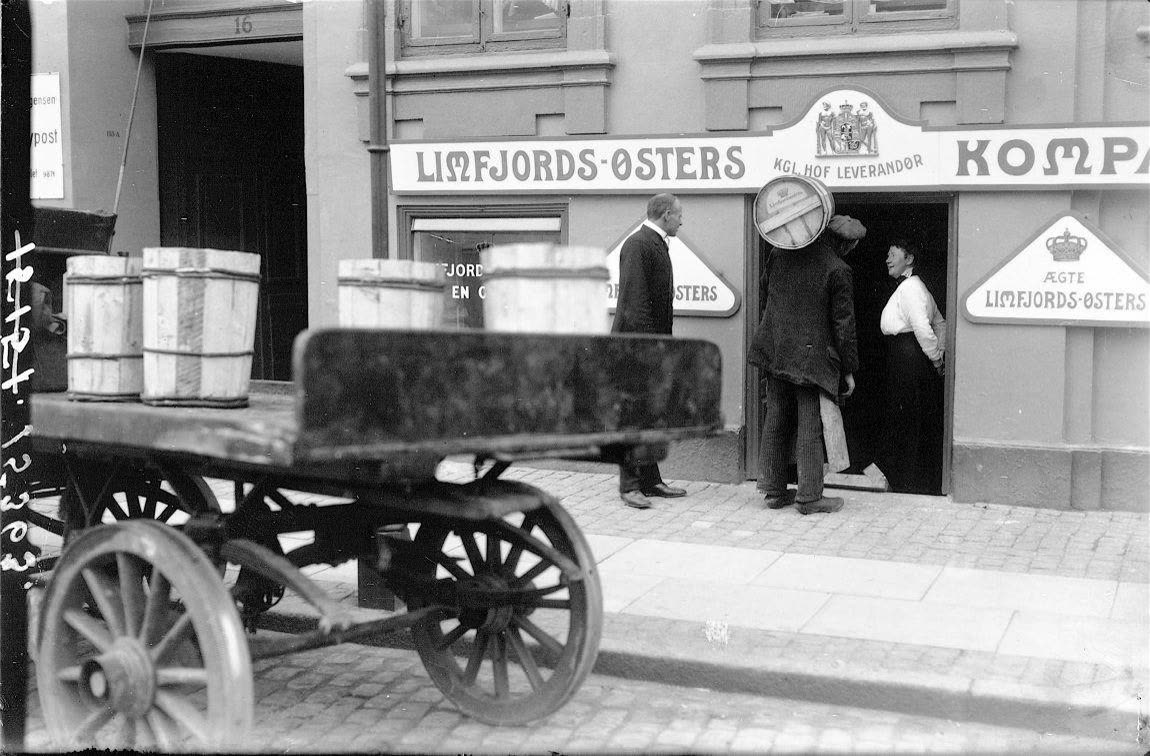

A Small-Boat Fishery
About 101 oyster dredgers work the fjord, most of them 12 meters or smaller. Dredges may be no more than 1 m wide, 20 cm high and 35 kg, boats may use no more than two at a time, and they cannot carry mussel dredges while oystering. The fishery reported 228 metric tons in 2020.2 Its history is part of the story of Europe's native oyster.
Flavor Breakdown
What Makes Limfjord Unique
The Limfjord's oysters exist because of a storm: the 1825 breach turned a brackish fjord salty enough for them.1 They are wild flats, caught by a fleet of small boats under strict limits on the size and number of dredges.2
Should You Add Lemon?
A wild flat's finish is the point.
Pairing Guide
Chalk and acid.
A Danish sip between oysters.
| Optimal | Plain |
| Acceptable | A few drops of mignonette |
| Avoid | Cocktail sauce |
Who Is This For?
- Flat oyster fans
- Visitors to northern Jutland
- Anyone who dislikes metallic, mineral oysters
- "Limfjord." en.wikipedia.org
- Marine Stewardship Council. "DFPO Limfjord oyster dredge." fisheries.msc.org