Basic Profile
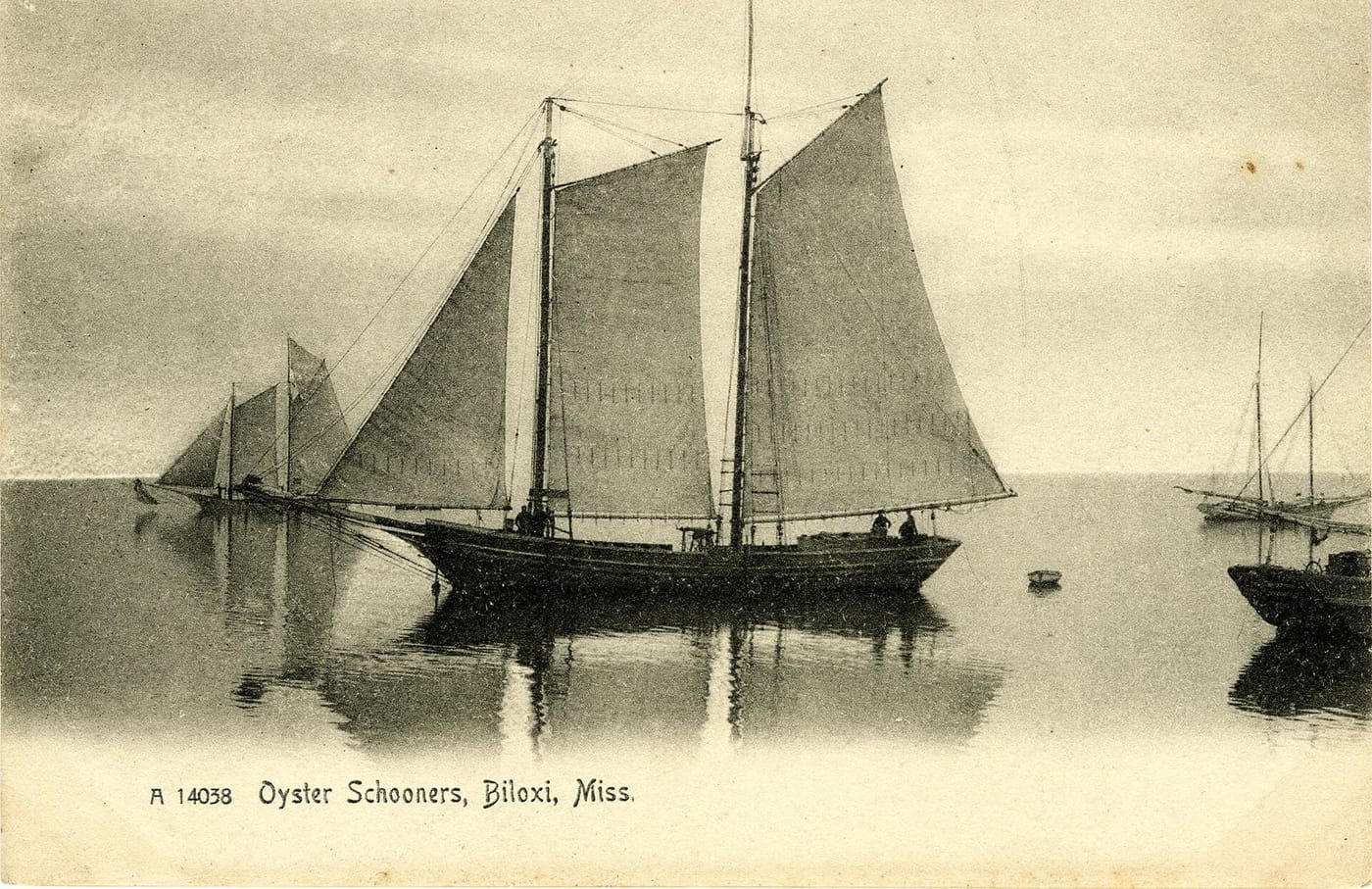
The Mississippi Sound, between the Mississippi coast and its barrier islands, was a wild oyster ground fed by small coastal rivers. In 2019 it received something very different: months of Mississippi River floodwater released to protect New Orleans. Mississippi's marine resources agency estimated that more than 95% of the state's oysters died.1

The Bonnet Carré Spillway
The Bonnet Carré Spillway, completed in 1931, relieves Mississippi River floods above New Orleans by diverting water through 350 gates into Lake Pontchartrain, from where it flows into the western Mississippi Sound. It was expected to open about once every five years. In 2019 it opened twice, for a total of 123 days.1 The first opening ran from February 27 to April 11, the second from May 10 to July 27, and the Sound was flooded with fresh water from March through August.2
River water lowered salinity far below what oysters tolerate and brought sediment that smothered the reefs. The state's marine resources director told a US Senate committee that oyster mortality was estimated at more than 95% statewide, and that oyster reefs can take five years or longer to recover. The US Secretary of Commerce declared a fisheries disaster for Mississippi, Louisiana and Alabama.12 Why oysters can't survive that kind of fresh water is explained in how salinity shapes oysters.
Still Waiting
Recovery has been slow. In October 2024, Michael McEwen told Mississippi Public Broadcasting that "not a single oyster has been harvested in Mississippi waters since 2018", and that fishermen were contracting with private oyster operations in Louisiana instead.3 Disaster funds are paying for new reefs: the state's recovery plan includes planting cultch, the hard material young oysters settle on, over five years, mostly in the western Sound where need was greatest.2
What Makes the Mississippi Sound Unique
The Sound's oysters were killed by a flood-control decision made upriver: the Bonnet Carré Spillway, built to protect New Orleans, opened twice in 2019 for a total of 123 days and filled the Sound with river water from March to August.12 Five years later, fishermen said not a single oyster had been harvested from Mississippi waters since 2018.3
- Spraggins, J. (September 25, 2019). Bonnet Carré testimony for the US Senate Commerce Committee. Mississippi Department of Marine Resources. commerce.senate.gov (PDF)
- Mississippi Department of Marine Resources. "2019 Mississippi Bonnet Carré Fisheries Disaster Recovery Program Project Proposals." dmr.ms.gov (PDF)
- Mississippi Public Broadcasting (October 21, 2024). "Q&A: The lasting impact of opening the Bonnet Carré Spillway on coastal Mississippi's economy." mpbonline.org