Basic Profile
In the fall of 1899, 24-year-old James Croxton claimed two acres of Rappahannock River bottom in Essex County, Virginia, under a new state law that let Virginians lease private oyster grounds. His family farmed the leases for most of the next century.1
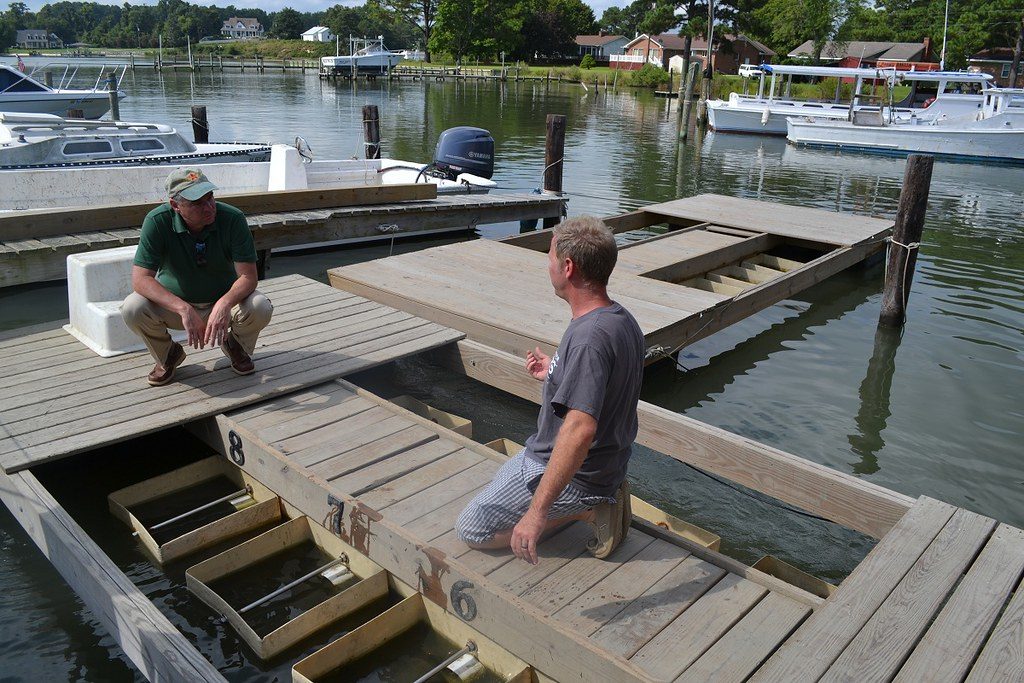
Two Cousins, 2001
The family had been working the traditional way: gathering wild spat from public reefs and relaying it to private ground for three years. As the wild oysters declined, James's son William discouraged his sons from going into the business. In 2001 his grandsons, the cousins Ryan and Travis Croxton, inherited about 200 acres of leases at a time when the bay's native oysters had fallen to about 1% of historic levels.1
Off the Bottom
The cousins switched to floating cages and hatchery-bred oysters, which put no pressure on wild stocks. Their break came in 2004, when Le Bernardin in New York became a regular customer, and the company now runs restaurants in several cities.1 It sells three oysters: the Rappahannock River, which it calls sweet; the Rochambeau, mild; and the Olde Salt, briny.2
Flavor Breakdown
What Makes Rappahannock Unique
The Rappahannock is a family oyster that almost ended: four generations on the same leases, a grandfather who told his sons to get out, and grandsons who came back in 2001 and changed the method from wild relays to floating cages.1 Le Bernardin's order in 2004 was the turning point.
Should You Add Lemon?
A sweet, lower-salt oyster welcomes a squeeze.
Pairing Guide
Local and aromatic for a sweet oyster.
Crisp against the sweetness.
| Optimal | Lemon |
| Acceptable | Mignonette |
| Avoid | Heavy cocktail sauce |
Who Is This For?
- Anyone who prefers sweet over salty
- Fans of Chesapeake oyster history
- Salt hunters, who should order the Olde Salt
- Rappahannock Oyster Co. "Our Story." rroysters.com
- Rappahannock Oyster Co. "Oysters & Clams." rroysters.com