Basic Profile
Tim Marshall comes from five generations of farmers at Porthilly, on the Rock side of the Camel Estuary. He began growing oysters on the family's foreshore as a sideline. The farm now raises about 800,000 a year, starting from juveniles as small as six millimetres.1
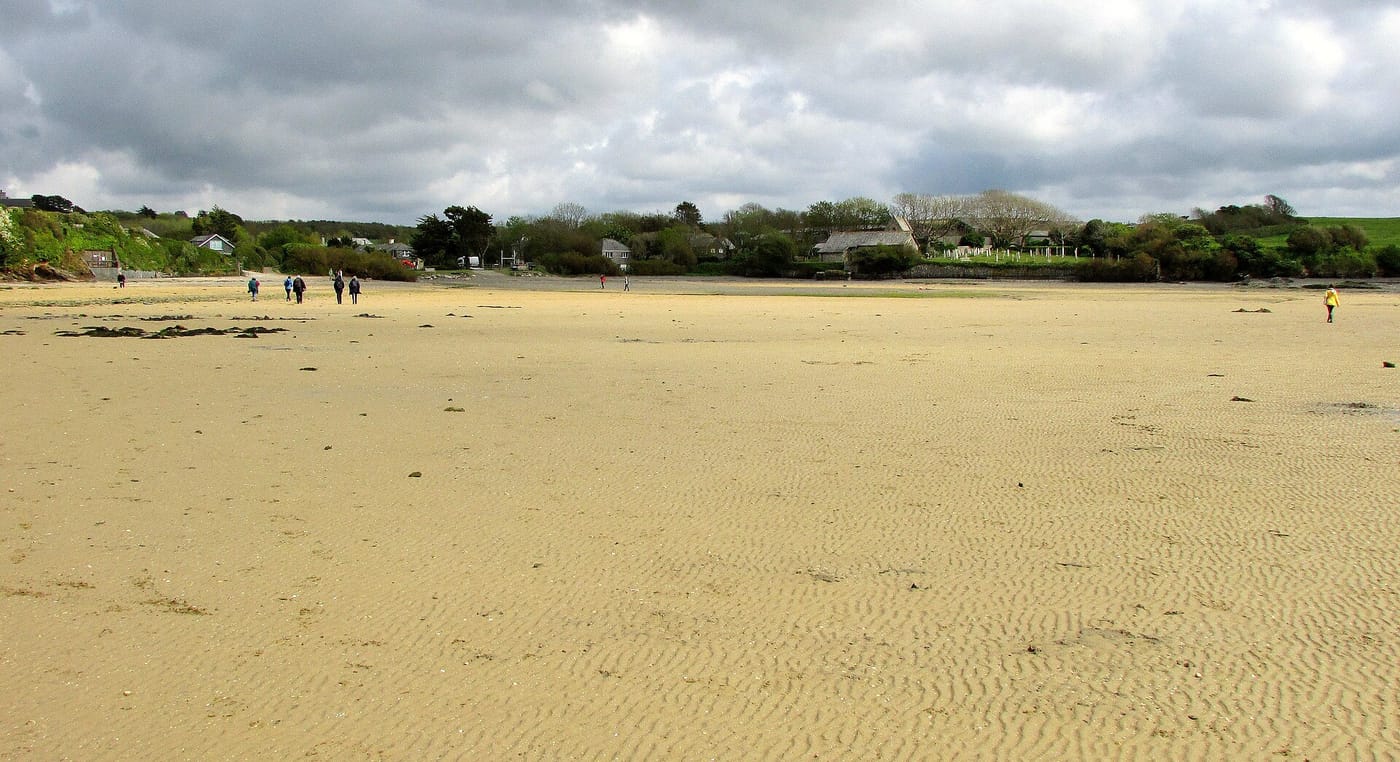

Across From Padstow
The oysters grow in cages held on frames on the seabed, roughly a mile across the water from Padstow.1 They feed on the estuary's own plankton, and before sale they are sorted and purified in tanks of recirculating seawater sterilized with ultraviolet light. Tim's son Luke has followed him into the business, and the Cornwall Good Seafood Guide recommends the oysters as sustainable.2
Porthilly has supplied Rick Stein's restaurants for more than thirty years, and Tim Marshall trains their kitchen and floor staff. His storage advice: never keep oysters in water, but put them in a bowl, cover them with a damp cloth and store them at the bottom of the fridge.1
Flavor Breakdown
What Makes Porthilly Unique
Most oyster farms begin with someone who fishes. This one began on a family farm that happened to own the shore.1
Should You Add Lemon?
Takes a squeeze well.
Pairing Guide
Acid and bubbles, from the same country.
The classic, if you prefer still.
| Optimal | Plain or lemon |
| Acceptable | Shallot vinegar |
| Avoid | Heavy cocktail sauce |
Who Is This For?
- Visitors to Padstow and Rock
- People who want a dependable all-rounder
- Fans of very salty or very sweet oysters
- Rick Stein Restaurants. "Meet our food heroes: Porthilly Shellfish." rickstein.com
- Cornwall Good Seafood Guide. "Luke Marshall of Rock Shellfish, shellfish farmer." cornwallgoodseafoodguide.org.uk