Basic Profile
Standish Shore oysters start as 2-millimetre seed in an upweller in May. They spend the next months in nursery bags and are planted on the floor of Duxbury Bay the following April. Before that last move they are tumbled three or four times, which is what gives them hard, even shells and deep cups.1
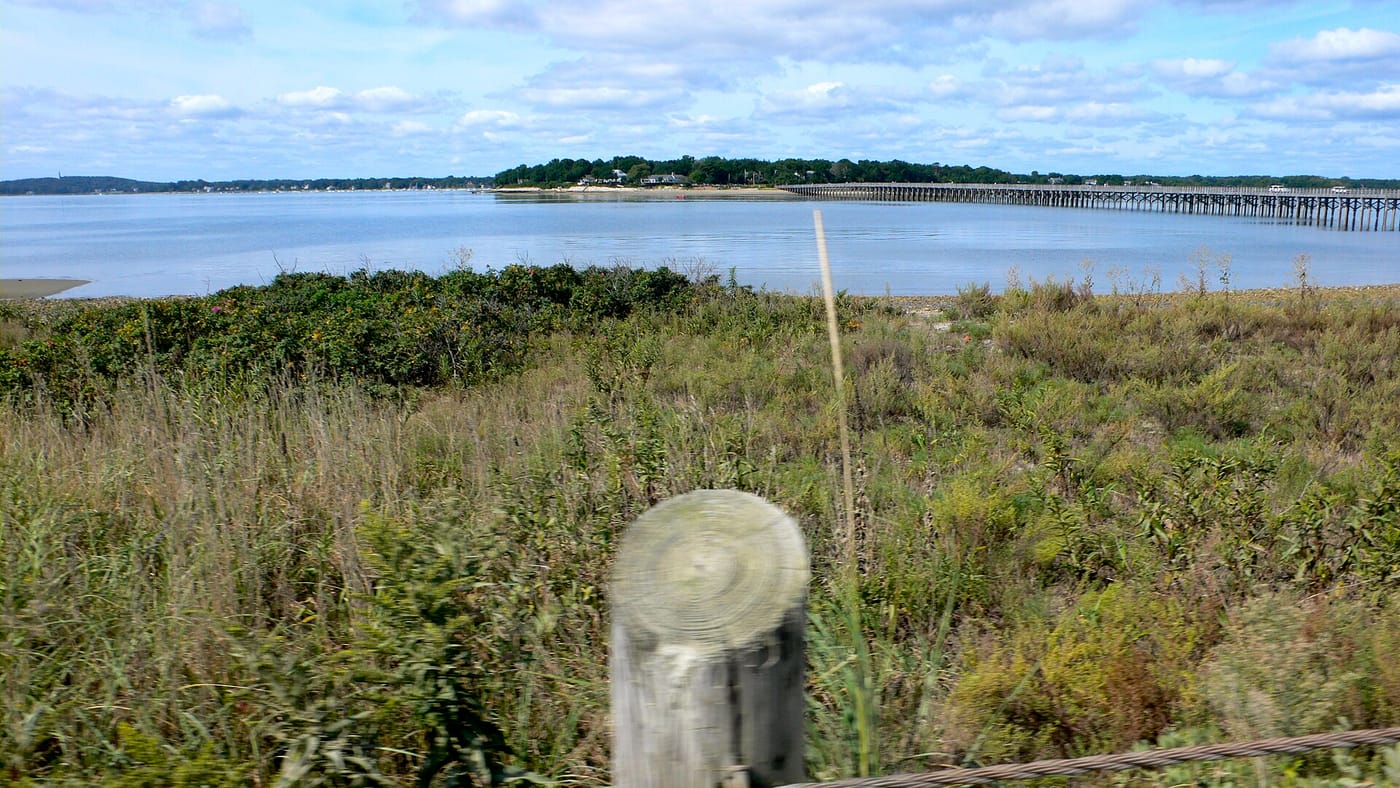

A Wholesaler's Own Farm
The farm belongs to Ben Lloyd, who also runs the Boston wholesaler Pangea Shellfish and named the oyster Standish Shore. His crew picks the oysters by hand at low tide or drags for them when the water is up, then holds them off the bottom for at least two days to purge. They reach market in 18 to 24 months.1
The bay itself, and the farm next door, are covered in the Duxbury and Island Creek profiles.
Flavor Breakdown
What Makes Standish Shore Unique
Cage-grown oysters get neat shells and bottom-grown oysters get strong ones. This farm does both in sequence, tumbling first and finishing loose on the bay floor.1
Should You Add Lemon?
The brine is sharp already. Taste it plain, then decide.
Pairing Guide
Salt for salt.
Roast and cream against a buttery oyster.
| Optimal | Plain |
| Acceptable | Mignonette or lemon |
| Avoid | Cocktail sauce |
Who Is This For?
- Island Creek fans
- People who want a sturdy shell that shucks without crumbling
- Anyone after a sweet, low-salt oyster
- Pangea Shellfish Company. "Standish Shore Oyster." Oysterology Online. pangeashellfish.com