Basic Profile
Stump Sound lies behind Topsail Island, north of Surf City, on the border of Onslow and Pender counties. Its inlets and creeks give it the mix of fresh and salt water that produces the "Stump Sound" oysters North Carolinians talk about, and the state has designated it an Outstanding Resource Water, a special protection designation.1
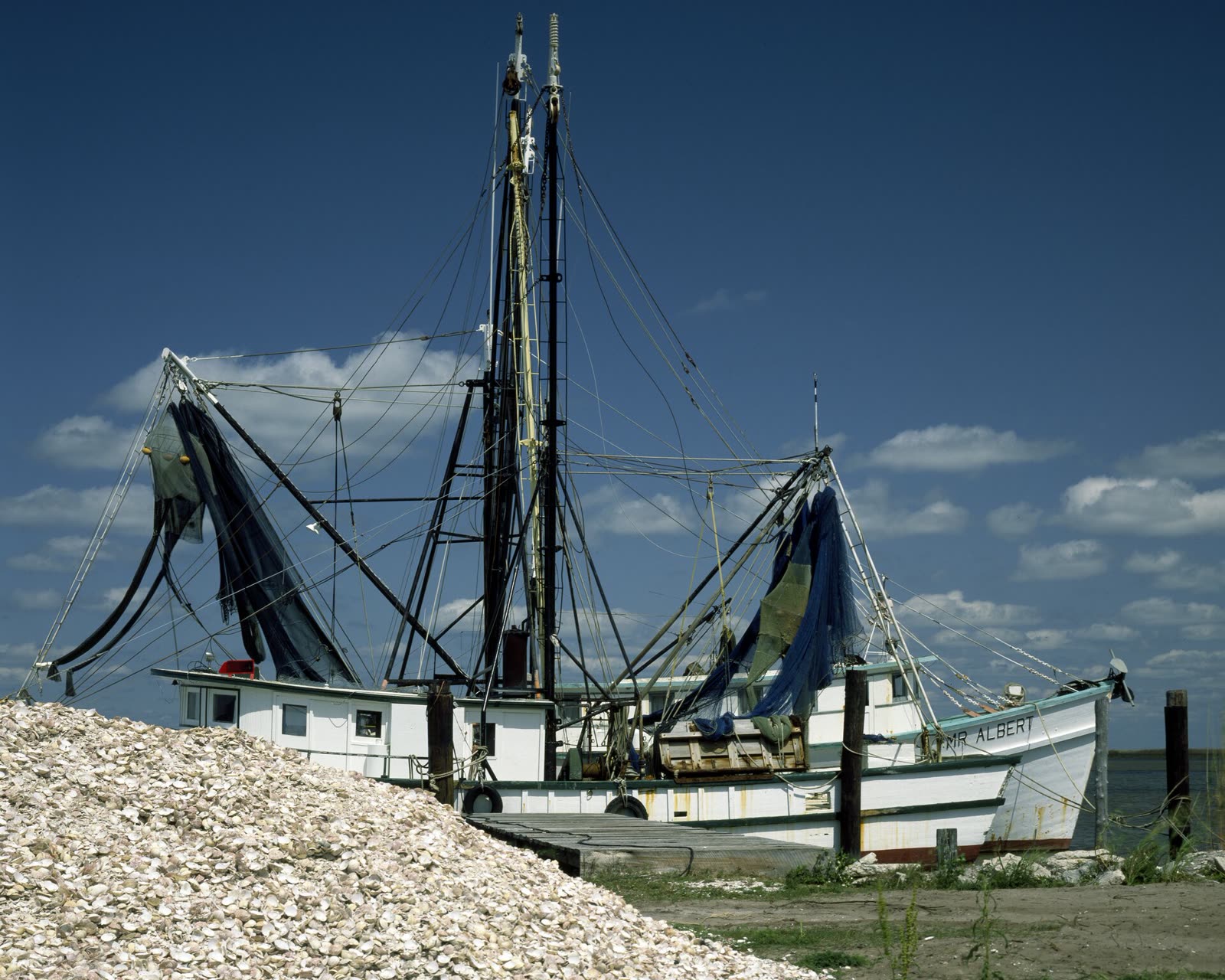
A Local Reputation
The oyster's fame is local and long-standing. It probably dates to the 1950s and 1960s and the Davis Oyster House at Tar Landing, now closed. Asked why the oysters are prized, Joseph Huie told Topsail Magazine: "It's because they're so fat." When they are in condition, he said, the meat "look[s] like a stick of butter in there."2
Protecting the Water
Protecting Stump Sound's water has been a community effort since 1983, when Lena Ritter began campaigning to protect it. More recently the North Carolina Coastal Federation led a watershed protection plan, funded in 2020, to find pollution sources and protect oyster production.1 The link between runoff and closed beds is explained in why rain closes oyster beds.
Wild and Farmed
Wild Stump Sound oysters follow a season: the state does not allow harvesting in summer, when the oysters spawn, to protect the wild stock. Farmed oysters can be harvested year-round.2 Middle Sound Mariculture is one of the farms working the sound.3 North Carolina's shellfish landings were worth over $27 million in 2019, more than half of that from farmed oysters.3
Flavor Breakdown
What Makes Stump Sound Unique
Stump Sound's fame is local, carried by word of mouth from the old Davis Oyster House at Tar Landing, and protected by a community that has fought for its water since 1983.21 The state lists the sound as an Outstanding Resource Water.1
Should You Add Lemon?
Try one plain; the fat is the point.
Pairing Guide
Sharp whites for a rich oyster.
The local way.
| Optimal | Plain |
| Acceptable | Lemon and hot sauce |
| Avoid | Heavy cocktail sauce |
Who Is This For?
- Visitors to Topsail Island and Surf City
- Fans of fat, creamy oysters
- Summer visitors looking for wild oysters
- North Carolina Coastal Federation. "Stump Sound Watershed Protection." nccoast.org
- Topsail Magazine. "Love Your Local Oyster." topsailmag.com
- North Carolina Sea Grant (September 12, 2022). "What's So Special About NC Oysters? Savoring the NC Oyster Trail." Coastwatch. ncseagrant.ncsu.edu