Basic Profile
In July 2013 Shane Buckley's farm on Wapengo Lake became Australia's first certified organic Sydney rock oyster farm. Getting there took six years.1
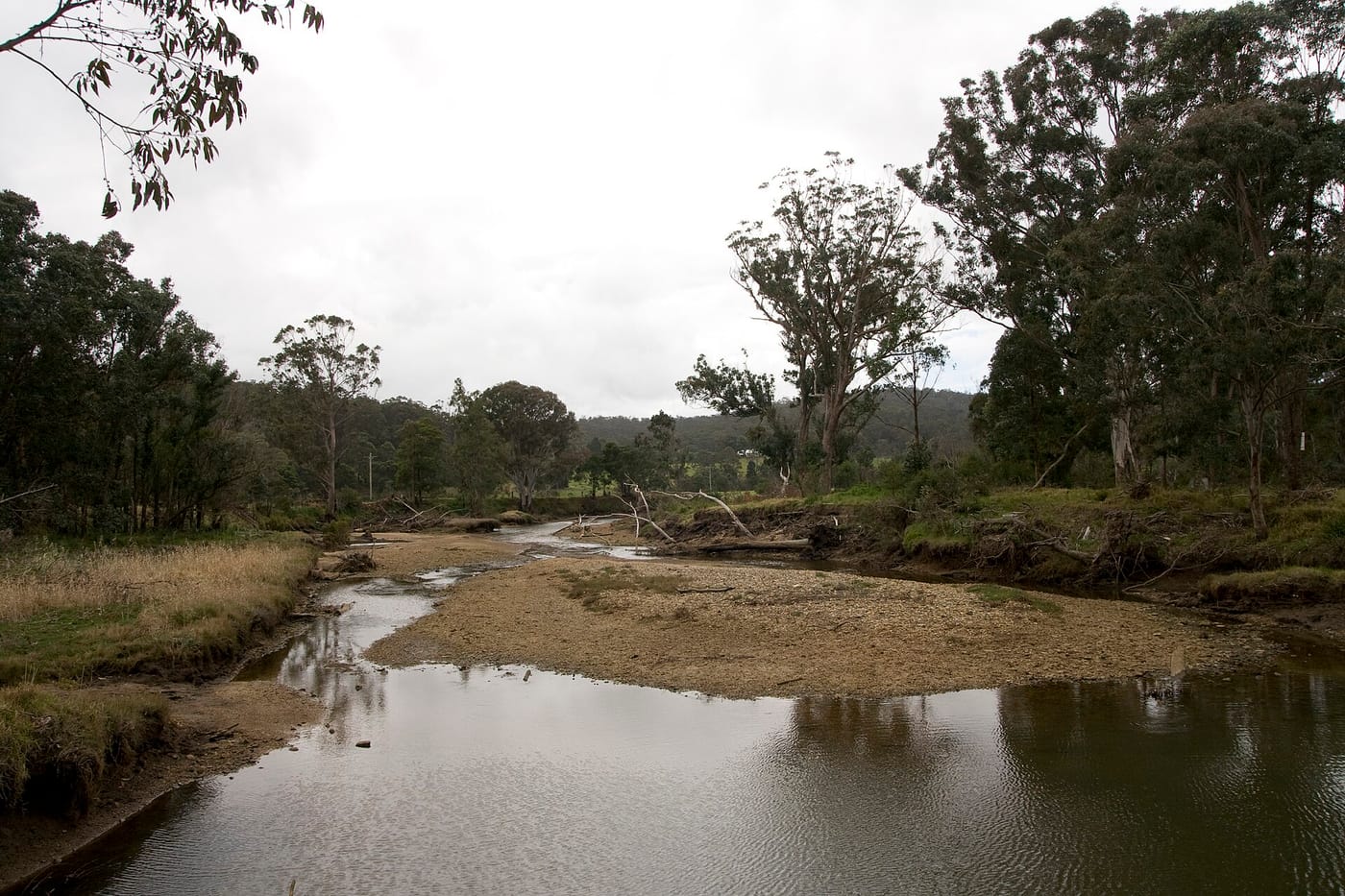

What He Took Out of the Lake
Traditional rock oyster farms stand on treated pine and tarred timber. Buckley removed both. In their place he hung baskets from a long line so that they float at the surface, which he calls dynamic infrastructure. More sunlight now reaches the bottom, and the weed beds under the lease have grown back. He works the farm mainly at higher tides so that boats and boots disturb the lakebed less.1
The oysters are wild-caught natives, and the lake sits inside Mimosa Rocks National Park, so the land around it is protected. Wapengo Rocks is not open to visitors; its oysters are sold through local restaurants and shops.2
Fewer Oysters, Better Price
Buckley's summary of the economics is that selling a smaller number of oysters now brings a higher price back to the farm.1
Flavor Breakdown
What Makes Wapengo Lake Unique
It is the first rock oyster farm in Australia to be certified organic, and it earned that by removing hardware from a lake inside a national park.12
Should You Add Lemon?
A few drops at most. The nutty finish is easy to cover.
Pairing Guide
Lean, lemony and low in alcohol: the classic New South Wales match.
A saltier alternative.
| Optimal | Plain |
| Acceptable | A few drops of lemon |
| Avoid | Anything creamy or sweet |
Who Is This For?
- People who prefer rock oysters to Pacifics
- Anyone who wants an organically certified oyster
- Those who like a big, plump oyster
- Watson, S. (8 July 2013). "Australia's first organic Sydney Rock oyster farm." ABC Rural. abc.net.au
- Sapphire Coast Destination Marketing. "Meet the Oyster Farmer." sapphirecoast.com.au