Basic Profile
The angasi, Ostrea angasi, is the flat oyster native to southern Australia, from Western Australia to south-east New South Wales and around Tasmania.1 Its reefs were largely destroyed by overharvesting in the nineteenth and early twentieth centuries.1
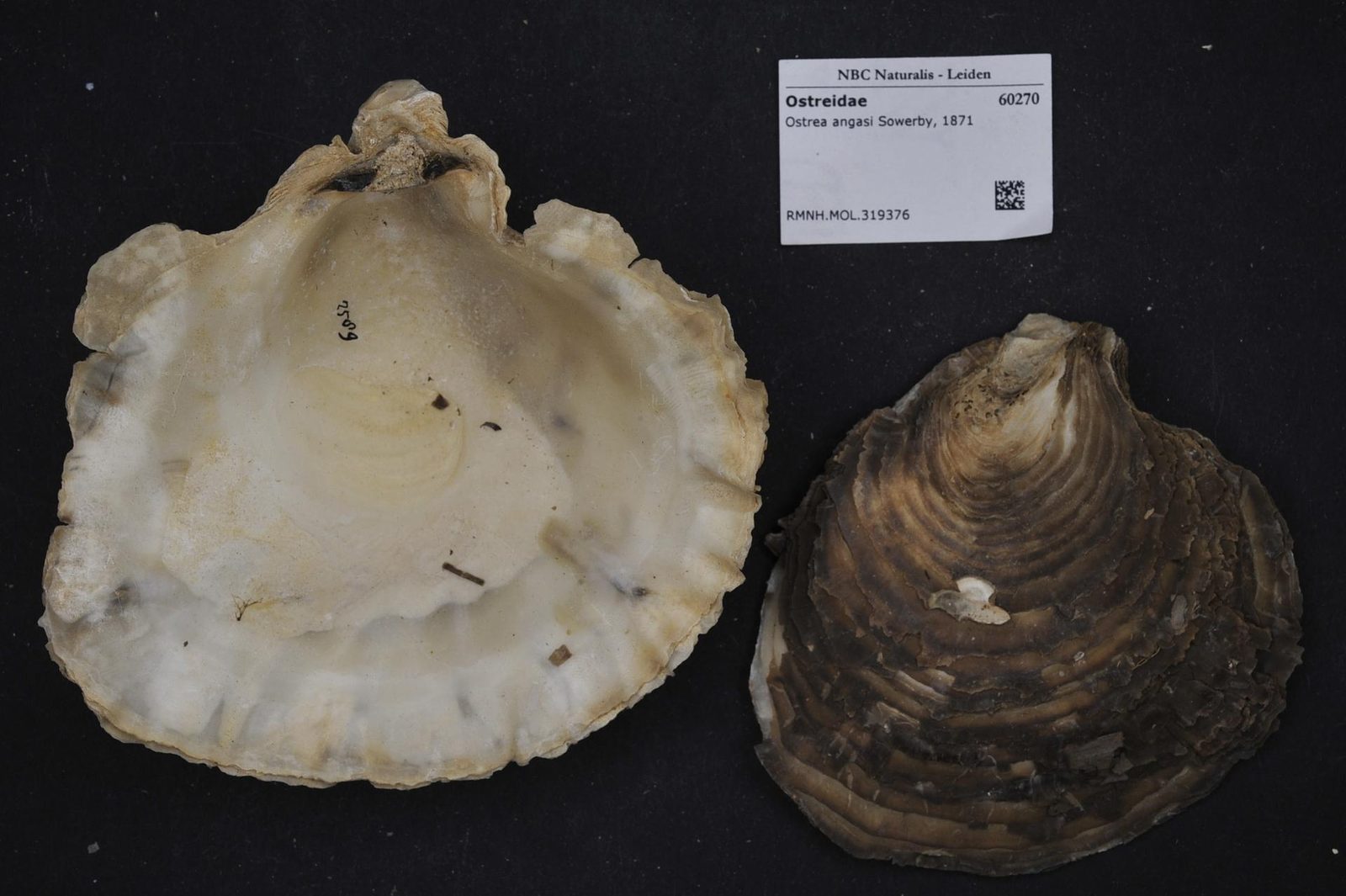
A Tasmanian Rarity
Tasmania's angasi are in season only from late May to September and take 30 to 40 months to grow, and only a few farms raise them; Blue Lagoon Oysters near Dunalley sells them at the farm gate. Tasmania's tourism board says the state holds the last natural angasi reef in the world, and that the Palawa have harvested angasi for tens of thousands of years.2
Coming Back
Restoration projects are rebuilding angasi reefs on the mainland, from Windara Reef in South Australia's Gulf St Vincent to Sydney's Georges River and Botany Bay, where flat oysters were recorded again by April 2024 for the first time in more than a century.1 Growers have also begun farming the angasi as a hedge against disease losses in Pacific oysters.1
Flavor Breakdown
What Makes Angasi Unique
The angasi is Australia's own flat oyster, similar to the European flat, grown slowly and sold for only a few months a year.12 Eating one supports the farms keeping a nearly lost native species in the water.
Should You Add Lemon?
A flat oyster's savory finish is the point.
Pairing Guide
Cool-climate bubbles.
For a meaty, earthy oyster.
| Optimal | Plain |
| Acceptable | A few drops of mignonette |
| Avoid | Cocktail sauce |
Who Is This For?
- Flat oyster fans
- Winter visitors to Tasmania
- Summer visitors: out of season
- "Ostrea angasi." en.wikipedia.org
- Discover Tasmania. "Your guide to Tasmanian oysters." discovertasmania.com.au