Basic Profile
Dave Belanger managed a cattle ranch and worked as an agricultural consultant before he got into shellfish in the late 1990s, by way of a clam farm's bankruptcy. At 45 he traded his last paycheck for seed clams. He works from a converted meat-processing plant in McClellanville and farms a 25-acre lease of mud bottom behind Dewees Island.1

Blades
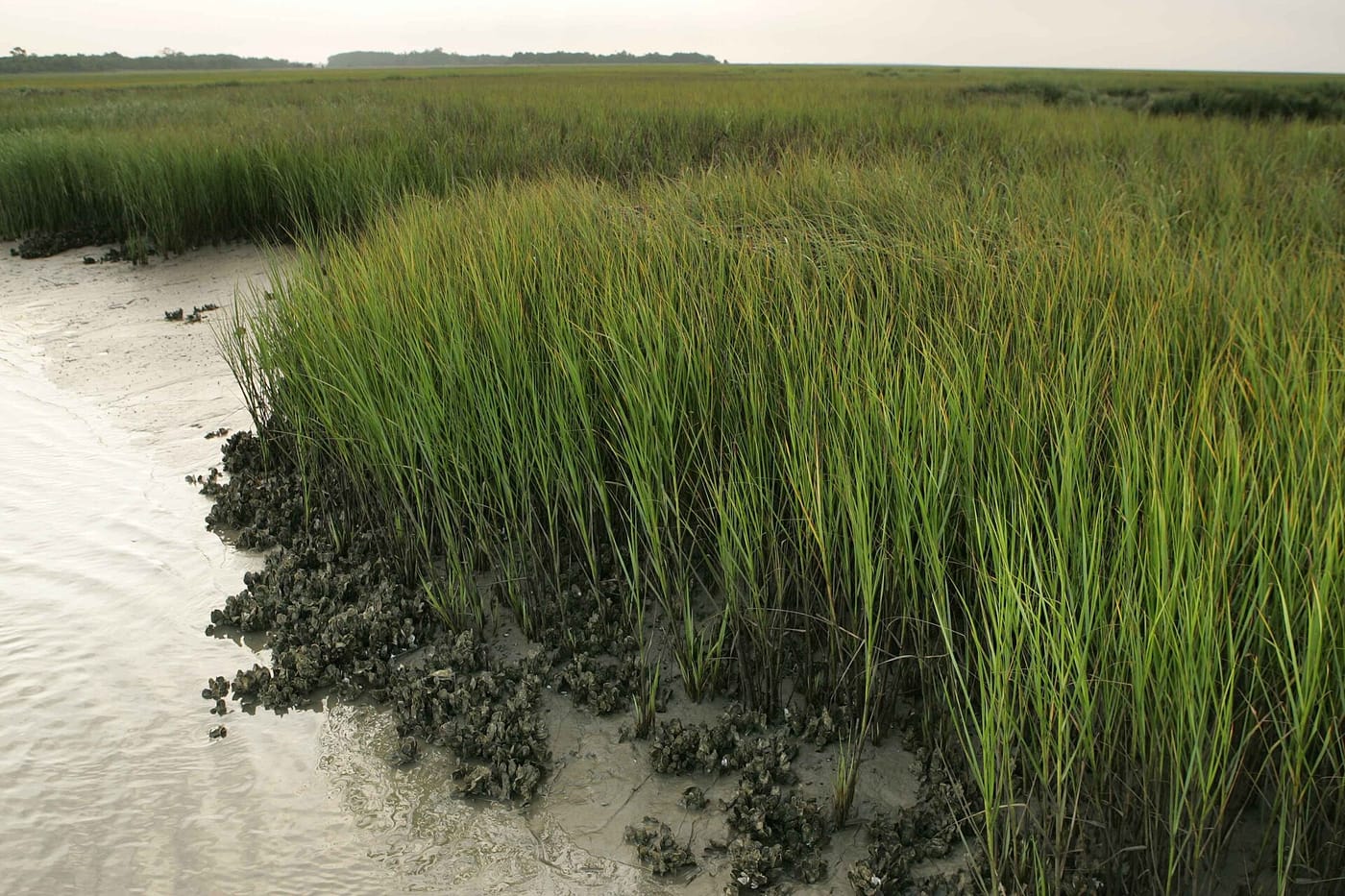
He added oysters in 2008. Capers Blades are small, long singles taken from wild clusters, which he separates by hand with a specialized iron tool. He says its design comes down from the practice of enslaved workers in the Lowcountry. The separated oysters go back into the water to plump up before they are sold.1 He grows them in the Capers Island Wildlife Refuge, north of Charleston.2
Thousands of pounds a year have gone to New York, to restaurants including Del Posto, and in Charleston to The Ordinary.1
Flavor Breakdown
What Makes Capers Blades Unique
Most single oysters are farmed that way from seed. These are wild oysters turned into singles afterward, one at a time, by hand.1
Should You Add Lemon?
Try the first one plain. A few drops after that.
Pairing Guide
Lean and salty, like the oyster.
A little more body for the same job.
| Optimal | Plain |
| Acceptable | Mignonette or lemon |
| Avoid | Cocktail sauce |
Who Is This For?
- People who want wild oysters on the half shell
- Anyone curious about Lowcountry oystering before farms
- Those who like a big, round, deep-cupped oyster
- Allen, J. (December 2014). "The Clam Man." Charleston Magazine. charlestonmag.com
- Wiersema, L. "Harvesting Oysters with Clammer Dave." Discover South Carolina. discoversouthcarolina.com