Basic Profile
In the 1870s about 30 sailing cutters dredged native oysters from Coffin Bay's waterways, employing some eighty men and landing around 900 metric tons a year. The fishery declined and ended by 1945.1
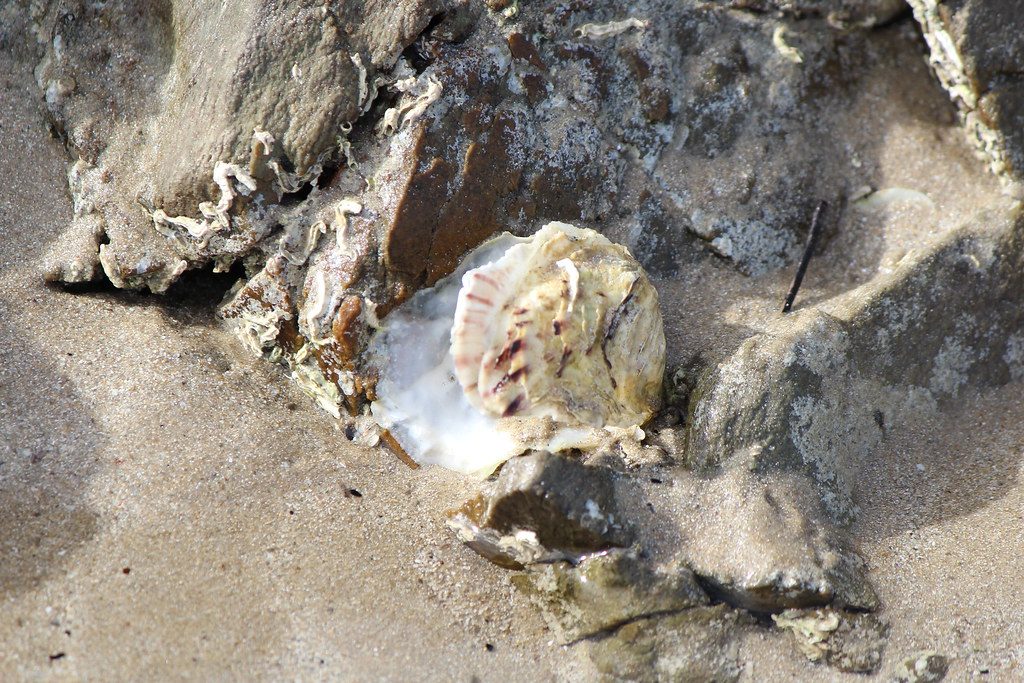
The Pacific Era
Small Pacific oysters arrived in Coffin Bay in 1969, the first were sold commercially in 1973, and modern commercial leasing followed in the 1980s and 1990s.1 The native flat oyster, the angasi, is now the subject of restoration work in the bay; see Angasi.
Flavor Breakdown
What Makes Coffin Bay Unique
Coffin Bay's oyster fame is recent and borrowed: its native fishery was gone by 1945, and the Pacific oysters that made the town's name have been sold only since 1973.1 It is a place that lost one oyster and built an industry on another.
Should You Add Lemon?
Try one plain first.
Pairing Guide
South Australia's sharp white.
For a waterfront dozen.
| Optimal | Plain |
| Acceptable | Lemon |
| Avoid | Cocktail sauce |
Who Is This For?
- Visitors to Port Lincoln and the Eyre Peninsula
- Anyone interested in how oyster towns rebuild
- Anyone looking for a native Australian oyster: see Angasi
- Coffin Bay Oyster Farm. "History." coffinbayoysterfarm.com.au