Basic Profile
The Fal Oyster is a wild native flat oyster from the estuary of the River Fal in Cornwall. It was registered as a Protected Designation of Origin in 2013, and what the name protects is a way of fishing: only oysters caught in the designated area by traditional sailing and rowing boats can be sold as Fal Oysters.12

The Fishery
The fishery covers 2,721 acres of the Truro and Falmouth harbors and the beds of the Truro, Fal and Tresillian rivers, north of a line from Trefusis Point to St Mawes Castle. It is the only regulated fishery for native flat oysters in south-west England. The oysters are wild: they are not bred or cultured, and grow naturally on the seabed, reaching market size in four to seven years.1
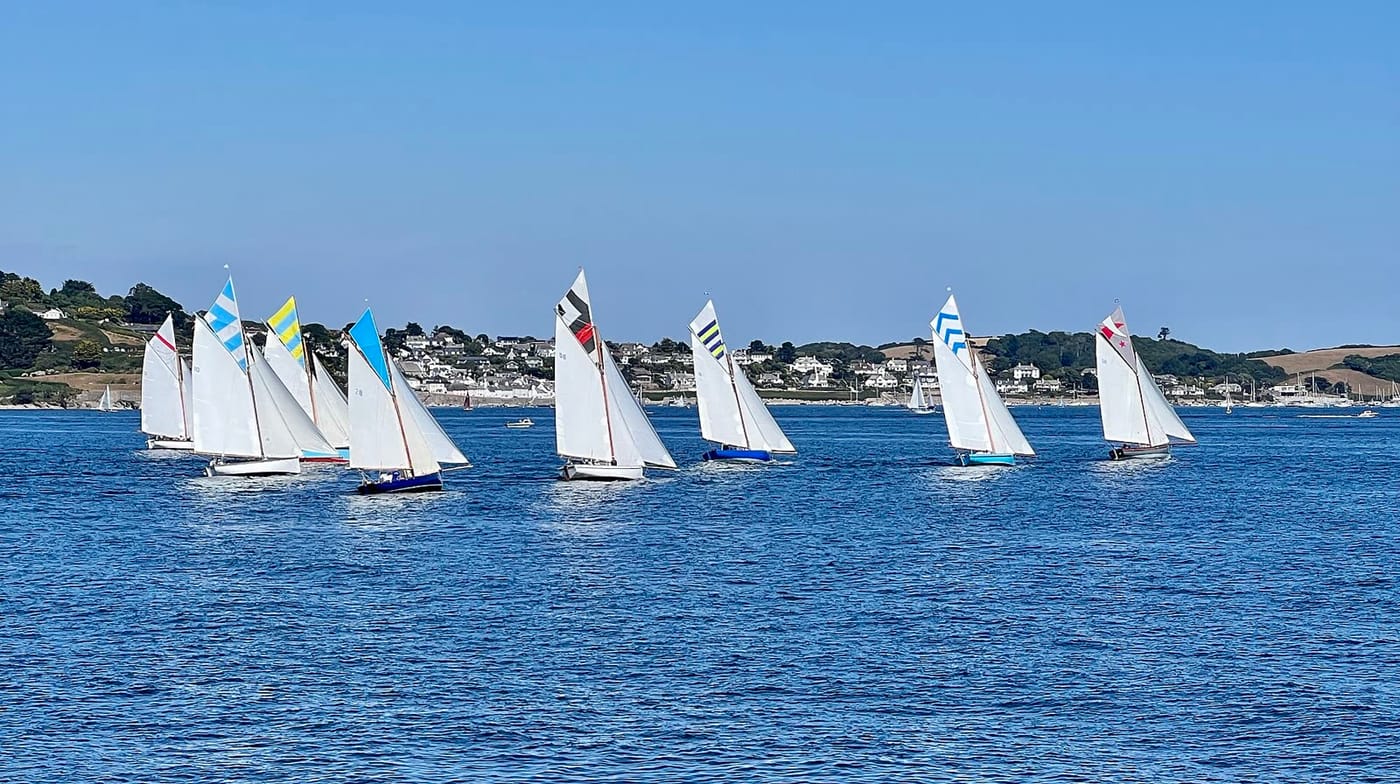
Dredges are towed across the beds by sailing or rowing boats, with no motor power, and hauled aboard by hand or hand winch. The specification traces the style of boats and dredges back to descriptions from 1750. The season is closed from April 1 to October 31 while the oysters spawn, and taking an oyster in the closed season is a criminal offense. Oysters must also be large enough not to pass through a ring of 2⅝ inches (66.3 mm); smaller ones go back over the side.1 How that kind of protection works elsewhere is covered in what oyster labels guarantee.
Flavor Breakdown
What Makes Fal Oyster Unique
The Fal Oyster's protected name guarantees a way of fishing: the oysters must be dredged from sail or oar-powered boats, with dredges hauled aboard by hand or hand winch, as described as far back as 1750.1 No engines, no hatchery, four to seven years on the seabed.
Should You Add Lemon?
Wild, slow-grown and metallic; lemon undoes what you paid for.
Pairing Guide
Local and chalky, with enough acid for a flat oyster.
Mineral and taut.
| Optimal | Plain |
| Acceptable | A few drops of mignonette |
| Avoid | Cocktail sauce |
Who Is This For?
- Flat oyster fans
- Anyone who wants to eat from a fishery worked under sail
- Summer visitors: the beds are closed
- Defra. "Fal Oyster" PDO product specification. assets.publishing.service.gov.uk (PDF)
- GOV.UK. "Fal Oyster" (protected food name, PDO). gov.uk