Basic Profile
Eric Horne, who grew up in Freeport, and Valy Steverlynck started Flying Point oyster farm in 2000. They grow in the waters of Casco Bay between Yarmouth and Freeport, with a nursery in Maquoit Bay.12
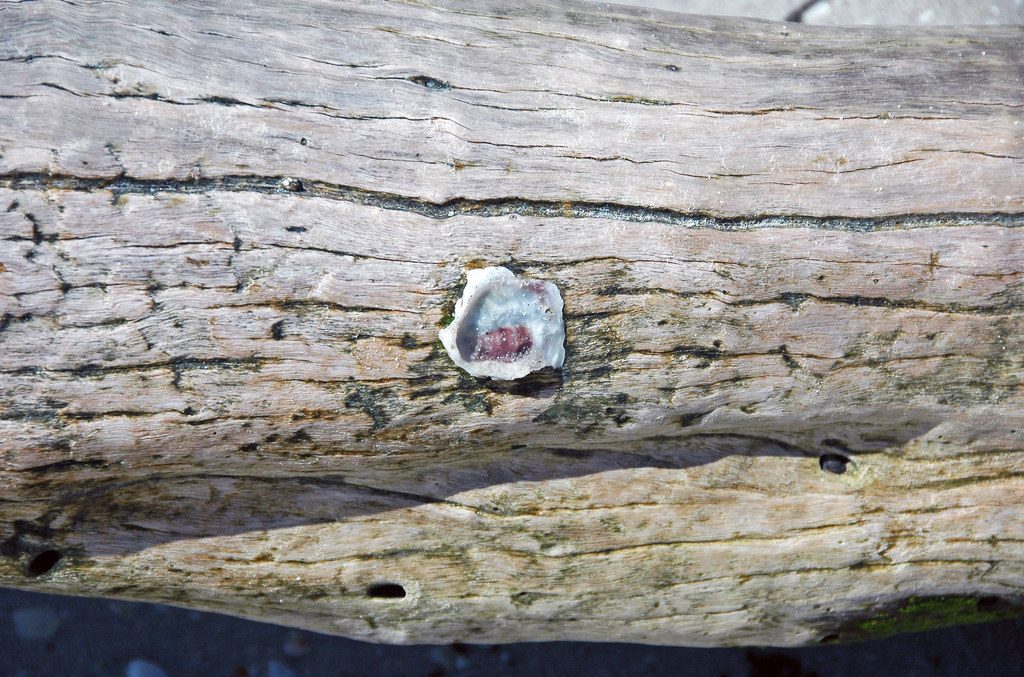
Bottom Culture
Seed moves from the nursery from late May to early July and is planted on hard-packed bottom, fully exposed only at the lowest tides. The oysters take two to two and a half years and are harvested weekly, year-round, with a drag, then culled and packed by hand on the skiff. The growers say it took about ten years of mistakes before the farm worked well.2
Flavor Breakdown
What Makes Flying Point Unique
Flying Point's oysters grow on hard-packed bottom that is uncovered only at the lowest tides, and are hauled weekly by drag, then culled and packed by hand on the skiff.2 The thick, algae-stained shell is the visible trace of two years on the seabed, and the growers admit it took them about ten years of mistakes to get the method right.2
Should You Add Lemon?
A drop of lemon suits the brine, but taste the broth first.
Pairing Guide
Chalky and taut against a brothy, buttery oyster.
Tart apple for a thick-shelled local.
| Optimal | Plain |
| Acceptable | Lemon |
| Avoid | Cocktail sauce |
Who Is This For?
- Fans of bottom-grown, heavy-shelled oysters
- Visitors to Freeport and Yarmouth
- Anyone who wants a polished, tumbled shell
- The Maine Mag. "Catching the Green Wave." themainemag.com
- Glidden Point Oyster Farms. "Flying into Spring." gliddenpoint.com