Basic Profile
Henri Gillardeau founded Maison Gillardeau in the Marennes-Oléron basin in 1898. The oyster that carries the name today was created in 1978 by Gérard Gillardeau, and the family still runs the house from Bourcefranc-le-Chapus.1
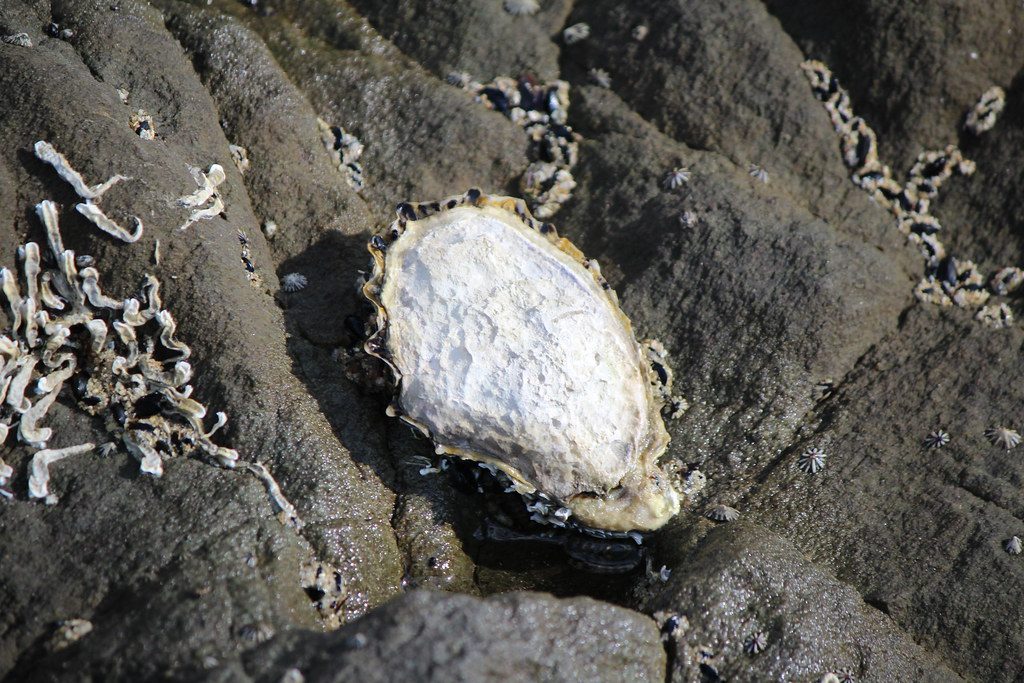
Raised Abroad, Finished at Home
Gillardeau's spéciales are raised in Ireland, Normandy and Portugal before they are finished and shipped from the Charente coast.2 Since 2014 every shell has been laser-engraved with a G to fight counterfeiting.1 The house has sold to Les Halles in Paris since 1928.1
The N°2
French cupped oysters are sold by weight class. A N°2 weighs 86 to 110 g, one step below the largest.3 The numbers are decoded in size numbers explained.
Flavor Breakdown
What Makes Gillardeau N°2 Unique
Gillardeau is a brand more than a place. The oysters grow in several countries and are finished in Marennes-Oléron, and the laser-etched G is there because the name is worth faking.12 What the house sells is meat: a big, full oyster, marked so you know it is theirs.
Should You Add Lemon?
You are paying for the meat; taste it plain.
Pairing Guide
The house's natural setting.
Chalk and acid against a full, creamy oyster.
| Optimal | Plain |
| Acceptable | A few drops of shallot mignonette |
| Avoid | Cocktail sauce |
Who Is This For?
- Anyone who wants a big, meaty oyster
- Celebration tables
- Anyone looking for a small-farm or single-bay oyster
- Maison Gillardeau. "History of Maison Gillardeau." maisongillardeau.fr
- Maison Gillardeau. Home page ("bred in the rich waters of Ireland, Normandy and Portugal"). maisongillardeau.fr
- Caliber weights under the CNC interprofessional agreement; see Oyster size numbers explained for sources.