Basic Profile
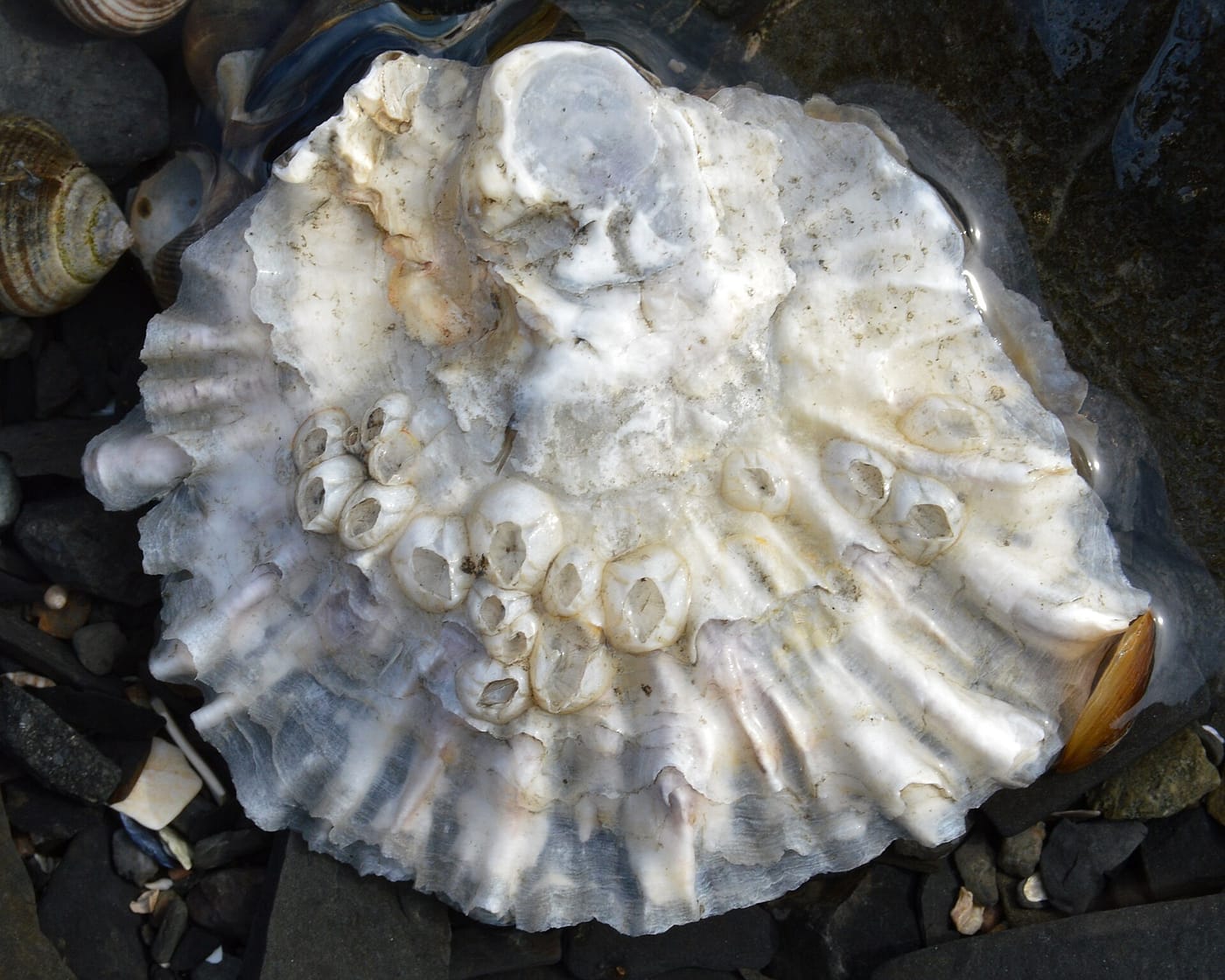
The European flat oyster lives along the coast from the Black Sea and Morocco north as far as Trøndelag in Norway, from just below the tide line to a few metres down. It needs water above 16 to 18°C to mature and spawn, so in Norway it survives only where shallow, sheltered water warms in summer.1

What Norway Has That France Lost
Most European flat oyster populations carry bonamia or marteilia, the parasites that destroyed the fisheries of Brittany and beyond. Norway's Institute of Marine Research states that Norwegian populations are not infected, and it runs surveillance for both diseases. For that reason the stock is of growing interest for aquaculture and for restocking projects elsewhere.1 The diseases' effect on France is described in the Quiberon profile.
Little of it is eaten. Only small amounts of wild oysters are harvested, and farming is limited to a few facilities in western Norway. The oysters can grow to 17 centimetres and more than 800 grams, and live over 20 years, though most do not pass eight or ten.1
Flavor Breakdown
What Makes Norwegian Flat Unique
It is the same species as a Belon or a Colchester native, from one of the few places where it was never touched by the parasites that undid the rest.1
Should You Add Lemon?
Eat it plain.
Pairing Guide
Weight and stone to meet the finish.
The Scandinavian answer: caraway against metal.
| Optimal | Plain |
| Acceptable | A turn of black pepper |
| Avoid | Lemon or vinegar |
Who Is This For?
- Flat oyster devotees
- Anyone curious about disease-free native stock
- First-time oyster eaters
- Institute of Marine Research (Havforskningsinstituttet), Norway. "Topic: Flat oyster." hi.no