Saccostrea cucullata: The Indo-Pacific Hooded Oyster
Saccostrea cucullata, the hooded oyster, lives on rocky shores across the Indo-Pacific, from East Africa to India and Australia, and varies widely in size.
Brine4/ 5
Sweetness1/ 5
Minerality4/ 5
Umami3/ 5
Indo-Pacific · Saccostrea cucullata · finish briny · texture lean · lemon yes · 15–28 ppt · 25–30 °C · best November to February
Basic Profile
Origin
Indo-Pacific, including East Africa, India, Australia and New Zealand
Species
Saccostrea cucullata (hooded oyster)
Classification
Wild
Farming Method
Mostly wild, on rocks, structures and mangrove roots
Producer
Local fishers
Visual Signature
4–6 cm in some regions, twice that in the Pacific
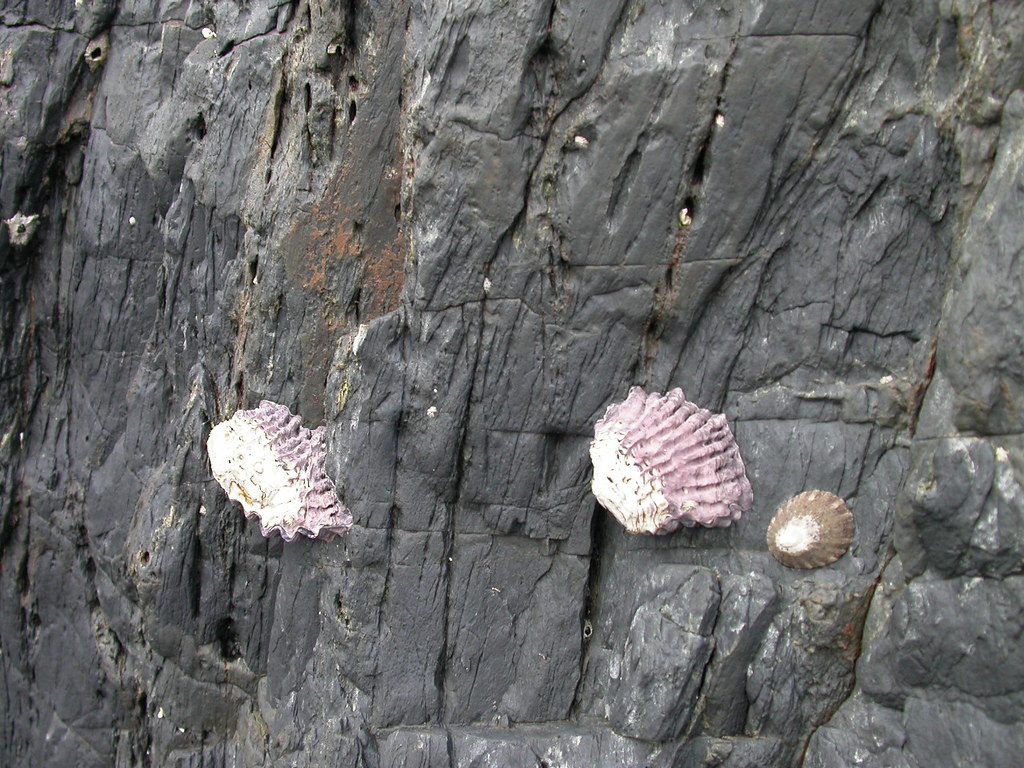
Saccostrea cucullata, the hooded oyster, lives across the Indo-Pacific, from East Africa and India to Australia and New Zealand. It favors rocky intertidal shores down to about 15 m, and also settles on seaweed, harbor walls and mangrove roots.1
Probably hooded oysters (Saccostrea cucullata), on the shore at Muttonbird Island, Coffs Harbour. Photo: Macleay Grass Man / Flickr (CC BY 2.0)
One Name, Many Sizes
Size varies widely: 4 to 6 cm in some waters, about twice that in parts of the Pacific.1 Because it concentrates heavy metals from polluted water, it is used as a biological indicator, and has been used to help control pollution in the Persian Gulf.1 A drilling whelk, the black oyster borer, is one of its predators.1
Flavor Breakdown
What's known
We found no published tasting study of the species. As a wild rock oyster of warm shores, expect a small, salty oyster.
A caution
The same filter-feeding that makes it a pollution monitor means you should only eat it from monitored, certified water.1
What Makes Saccostrea cucullata Unique
The hooded oyster is a wild rock oyster spread across an ocean, varying so much in size from place to place that it barely looks like one species.1 Scientists value it as much for what it records about the water as cooks do for eating.
A wild rock oyster of the Indo-Pacific, eaten locally and watched closely by scientists. Only eat it from water you know is safe.
Should You Add Lemon?
Yes
Lime or lemon, as it's eaten locally.
Pairing Guide
1
Cold lager
For a warm-weather plate.
2
Dry Riesling
Bright against salt.
Optimal
Lime and chili
Acceptable
Plain
Avoid
Cocktail sauce
Who Is This For?
Will love it
Travelers on Indian Ocean and Pacific coasts
Anyone interested in oysters as pollution monitors
Should skip it
Anyone without a trusted source for monitored water
We use one analytics tool — Google Analytics — to understand how this site is
used. It loads only if you accept. Essential cookies that keep the site working
are always on.Google Analytics loads only if you accept. Essential cookies are always on.
Read our Cookie Policy.