Basic Profile
Taranto sits between two seas, the open Mar Grande and the enclosed Mar Piccolo. In the nineteenth century oyster farming there, along with mussel farming, was the area's main trade, and growers kept watch over their nurseries from pile-built shelters called pagliai.1
The Revival
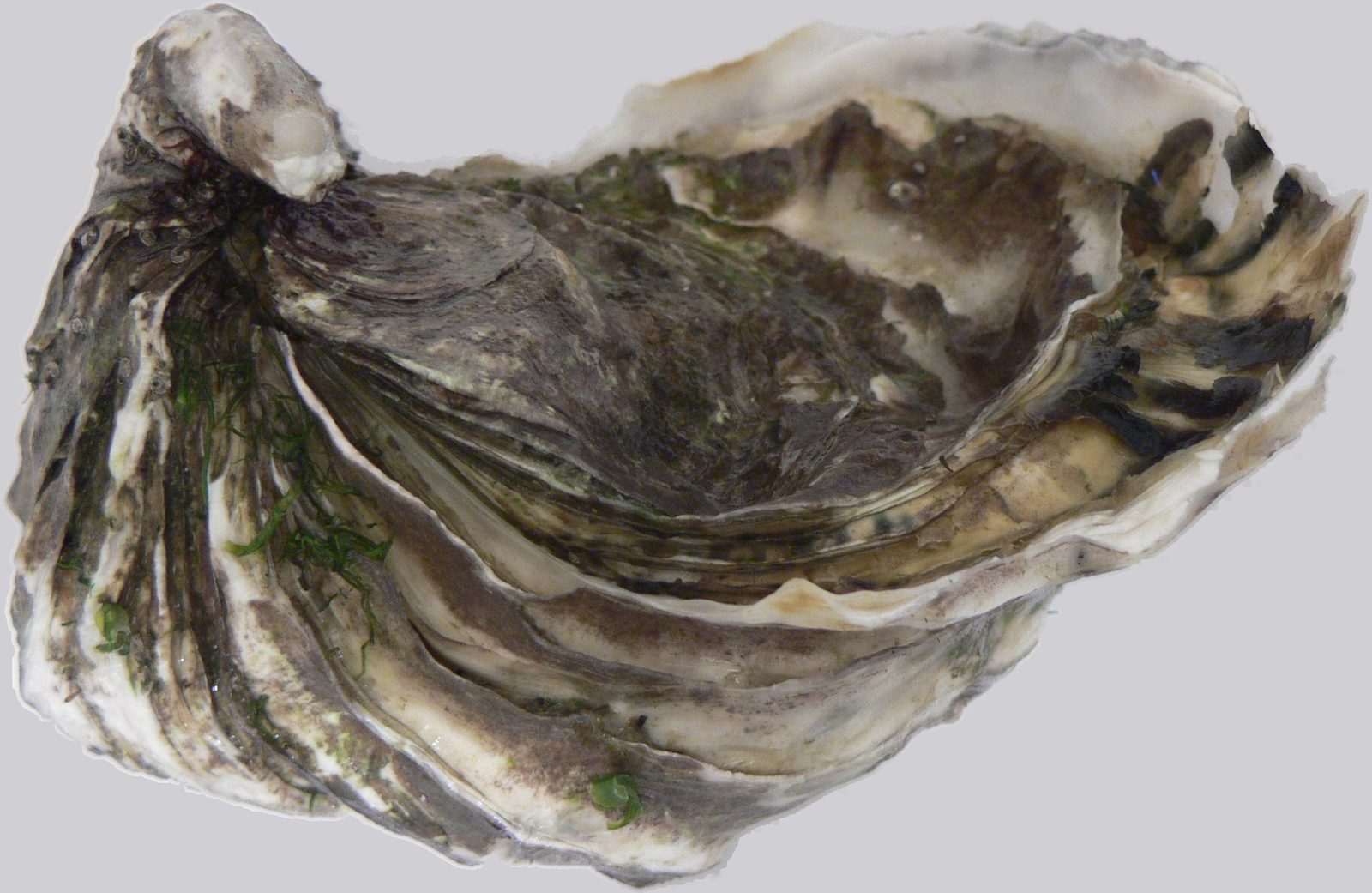
The Fratelli D'Andria cooperative now farms Pacific oysters on 2,500 square meters of the Mar Grande, aiming to revive the old practice, and exports across Europe.1 The Mar Piccolo remains best known for mussels: Slow Food protects the Taranto black mussel as a Presidium.2
Flavor Breakdown
What Makes Taranto Unique
Taranto is an old shellfish town reviving its oysters: its nineteenth-century farmers watched their nurseries from stilt huts over the water, and a modern cooperative has brought oysters back to the Mar Grande.1 You can eat them beside the black mussels the city is known for.
Should You Add Lemon?
The southern Italian way.
Pairing Guide
Southern Italian whites with salt of their own.
Italian bubbles.
| Optimal | Lemon |
| Acceptable | Plain |
| Avoid | Olive oil and black pepper |
Who Is This For?
- Visitors to Puglia
- Anyone curious about Italian oysters
- Anyone expecting a cold-water Atlantic oyster
- Fratelli D'Andria Società Cooperativa. "Oysters." fratellidandria.it
- Slow Food Foundation for Biodiversity. "Taranto Black Mussel." fondazioneslowfood.com