Basic Profile
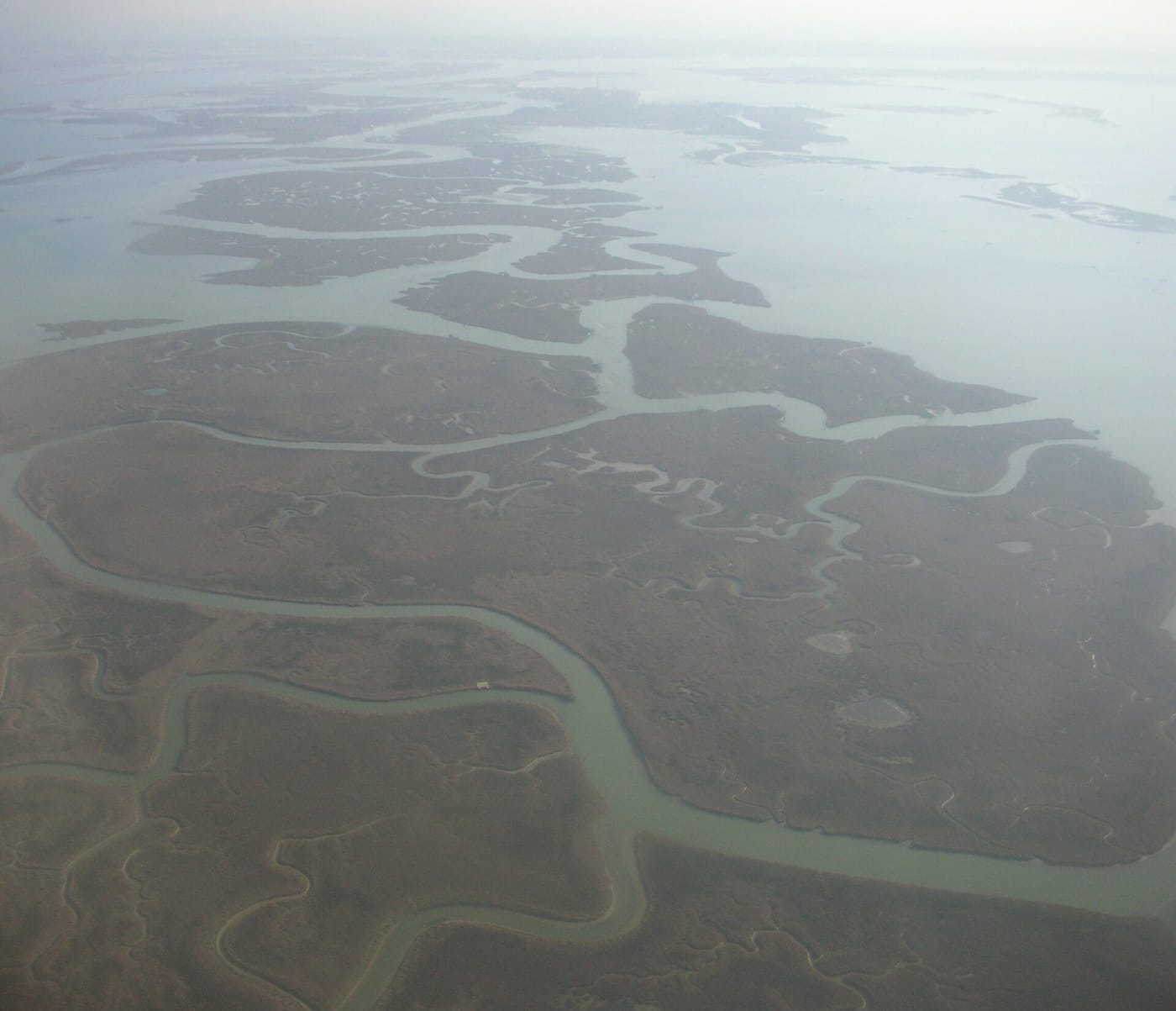
In 2021 divers from Ca' Foscari University began surveying a submerged site at Lio Piccolo, in the northern Venice lagoon. Among the remains of a Roman villa of the mid-first century AD they found a tank of brick and wood holding about 300 oyster shells. It was an ostriarium, a place to keep oysters alive until they were sold or eaten.1

The Villa
The house it served had frescoes, mosaic floors and marble slabs, and an engraved gem turned up near the tank. The finds went on show at Venice's Museum of Natural History from April to November 2025.1 How Romans kept and traded oysters is the subject of one of our culture pieces.
Nine Farms
Modern oyster farming in the Veneto is about ten years old. It began with the pink oyster of the Sacca di Scardovari, in the Po Delta. In September 2026 the region presented nine producers at the Venice Film Festival: one at Caorle, three at Chioggia, four at Porto Tolle and one at Porto Viro. Their brands include Ostrica Venere, Ostrica del Doge and La Perla del Delta.2
Flavor Breakdown
What Makes Venice Lagoon Unique
Few places can show a two-thousand-year-old oyster tank and working oyster farms in the same region.12
Should You Add Lemon?
A soft, savory oyster that takes lemon well.
Pairing Guide
The Veneto's dry white, almond and lemon.
Local bubbles, as an aperitivo.
| Optimal | Lemon |
| Acceptable | Plain |
| Avoid | Heavy sauces |
Who Is This For?
- Travelers eating cicchetti in Venice
- Readers who like their oysters with archaeology
- Brine and mineral hunters
- Finestre sull'Arte (2025). "Venice lagoon reveals submerged Roman oyster farm." finestresullarte.info
- Il Nuovo Terraglio (11 September 2026). "L'ostrica veneta sbarca al Lido: duemila anni di storia e una nuova sfida per la pesca." ilnuovoterraglio.it