Basic Profile
When Samuel de Champlain sailed into Wellfleet Harbor in 1606, the oyster beds so impressed him that he named it Port aux Huîtres. From 1830 to 1870 Wellfleet dominated New England's oyster business.1
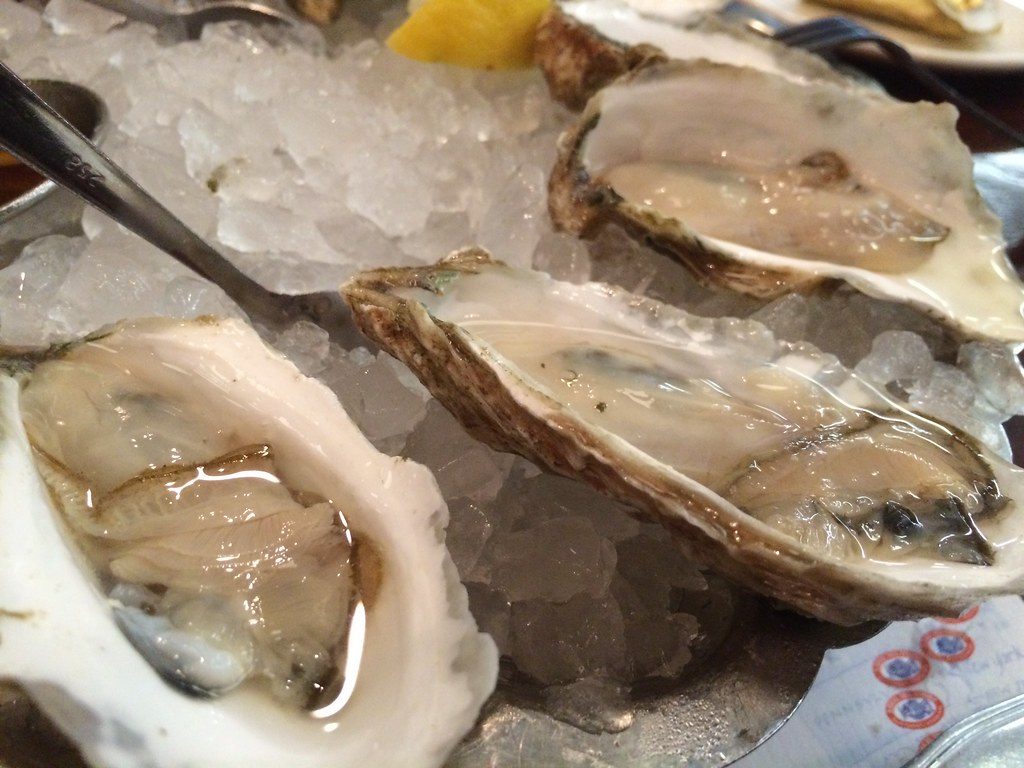
Farming Began Early
The wild beds were overfished early, and Wellfleet turned to farming. Oystermen brought oysters by schooner from the Chesapeake to plant on the town's flats, and by 1889 the town had 30 acres of grants. In 1905 the shellfish biologist David Belding arrived to study shellfish for the Massachusetts Department of Fisheries, work that laid foundations for modern aquaculture.1
OysterFest
Every October since 2001 the town has held OysterFest, a two-day festival that draws upwards of 20,000 people and hosts the Wellfleet Oyster Shuck-Off.2 It is one stop on a year of oyster festivals.
Flavor Breakdown
What Makes Wellfleet Unique
Wellfleet is an American oyster name with a 400-year paper trail: Champlain called the harbor Port aux Huîtres in 1606, and the town dominated New England's oyster trade from 1830 to 1870.1 Its farming is old too. Wellfleet was planting schooner-loads of Chesapeake oysters on its flats in the nineteenth century, and had 30 acres of grants by 1889.1
Should You Add Lemon?
A salty oyster takes a small squeeze; taste one plain first.
Pairing Guide
Lean and salty for a salty harbor.
What the town drinks at OysterFest.
| Optimal | Mignonette |
| Acceptable | Lemon |
| Avoid | Heavy cocktail sauce |
Who Is This For?
- Anyone who wants Cape Cod's most famous oyster name
- October visitors to the outer Cape
- Anyone who wants one farm's oyster under one name
- Cape Cod Commercial Fishermen's Alliance. "The Wellfleet Oyster: An Excerpted History." capecodfishermen.org
- Wellfleet Oyster Alliance. "Wellfleet OysterFest." wellfleetoa.org