Basic Profile
Pacific oysters were introduced to the Oosterschelde in 1964, after overfishing, disease and cold winters had cut the native flat oysters down. Researchers expected Dutch water to be too cold for them to breed.1
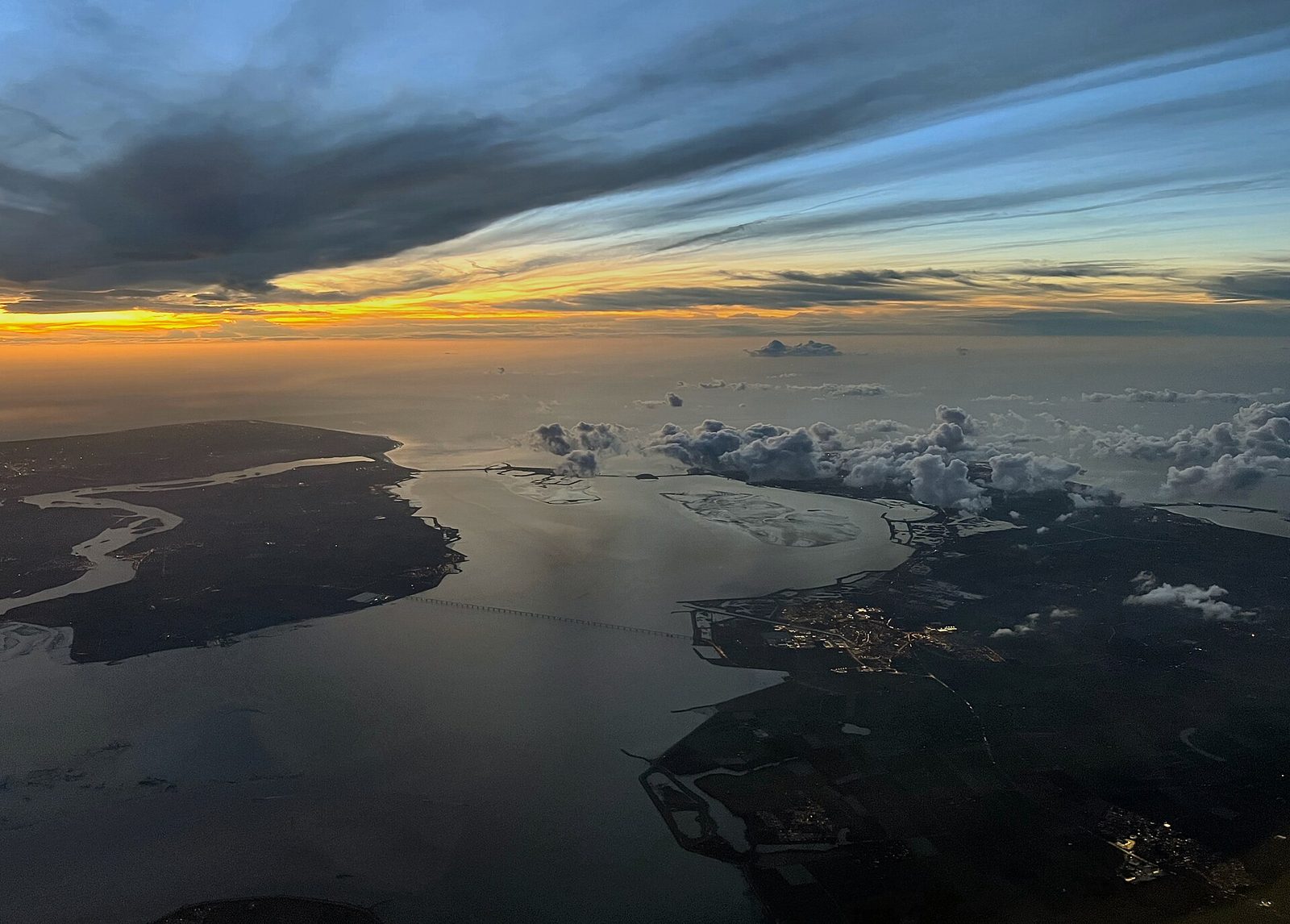

The Oyster That Spread
They were wrong. The Pacific oysters spawned successfully in 1976 and again in 1982, despite an import ban after the first, and from 1983 spread into the Wadden Sea from near Texel. The species is now treated as invasive, and also as a reef builder that shapes the coast.1 Locally the Pacific is sold as the creuse, and Yerseke is the center of the trade.2 The native it replaced is covered under Zeeland flat.
Flavor Breakdown
What Makes Zeeland Creuse Unique
The Zeeland creuse was brought in as a stopgap and became permanent: a species nobody expected to breed in Dutch water now spreads along the coast on its own.1 It is the oyster most people eat in Yerseke, and by far the larger share of what Zeeland sells.
Should You Add Lemon?
Lemon and pepper, the Zeeland way.
Pairing Guide
Local and lean.
Citrusy and light.
| Optimal | Lemon and black pepper |
| Acceptable | Mignonette |
| Avoid | Cocktail sauce |
Who Is This For?
- Visitors to Yerseke
- Anyone interested in how an introduced oyster took over a coast
- Anyone looking for the native Zeeland flat
- Zeehondencentrum Pieterburen. "Japanse oester – Pacific Oyster." zeehondencentrum.nl
- Zeeland.com. "Oysters in Zeeland." zeeland.com