Basic Profile
The Zeeland flat oyster, the Zeeuwse platte, is the Netherlands' native oyster. It takes about six years to reach the table, against three for a Pacific, and about ten farmers still grow it, around 50 metric tons a year compared with 5,000 of Pacific oysters from the same waters.1

How It Is Grown
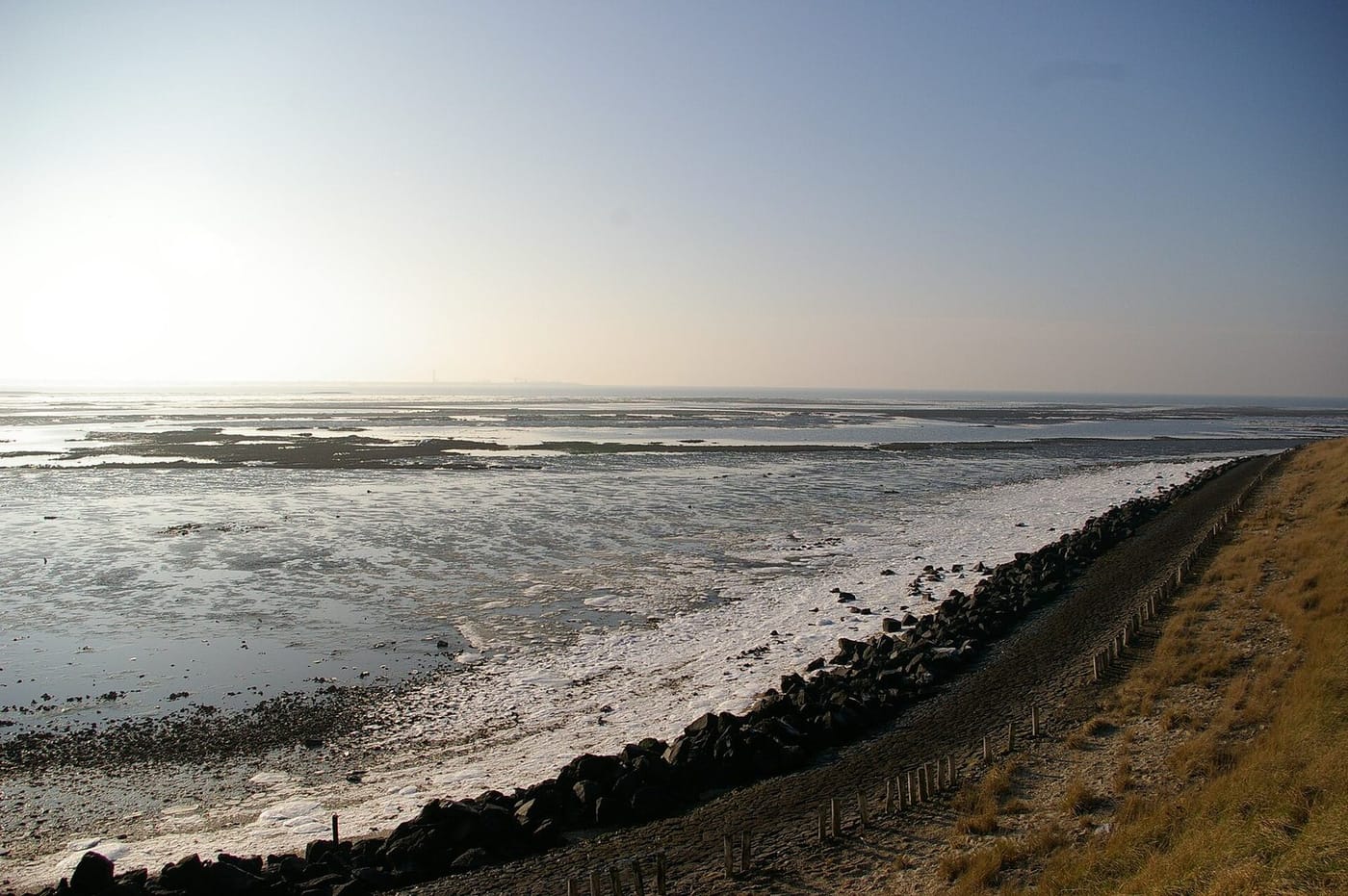
The oysters grow on beds of empty mussel shells, without cages. Each year they are dredged and moved to an area with stronger current, for food and shape.1 Slow Food lists the Grevelingen as where it is grown; Zeeland's tourist board names the Grevelingen and the Oosterschelde as the province's two oyster waters.12
Decline
The hard winter of 1962–63, the parasite Bonamia, the Delta Works that closed off the estuaries, and competition from imported Pacific oysters all cut the population.1 Slow Food warns that oysters from England, Ireland and Denmark are sometimes relabeled as Zeeland oysters after a short stay in local water.1 For the Pacific side, see Zeeland creuse.
Flavor Breakdown
What Makes Zeeland Flat Unique
Six years of growing, with a move to stronger water every year, make the Zeeland flat a patient oyster, and the numbers show how rare it has become: about 50 tons, set against a hundred times as many Pacifics from the same waters.1
Should You Add Lemon?
The local way: lemon and black pepper.
Pairing Guide
Local and lean.
For a six-year oyster.
| Optimal | Lemon and black pepper |
| Acceptable | Plain |
| Avoid | Cocktail sauce |
Who Is This For?
- Flat oyster fans
- Visitors to Yerseke and Zeeland
- Anyone who can't tell whether they're being sold a real one: ask
- Slow Food Foundation for Biodiversity. "Zeeuwse platte oester (flat oyster)." Ark of Taste. fondazioneslowfood.com
- Zeeland.com. "Oysters in Zeeland." zeeland.com