Basic Profile
Galveston Bay, on the upper Texas coast, has long been one of the state's main oyster grounds. The Texas oyster fleet harvests around 5.8 million pounds of oysters a year.1 Since 2008 the bay's story has been one of loss and slow repair, and a Galveston Bay oyster on a menu now tells you something about which reefs were open that season.

Hurricane Ike
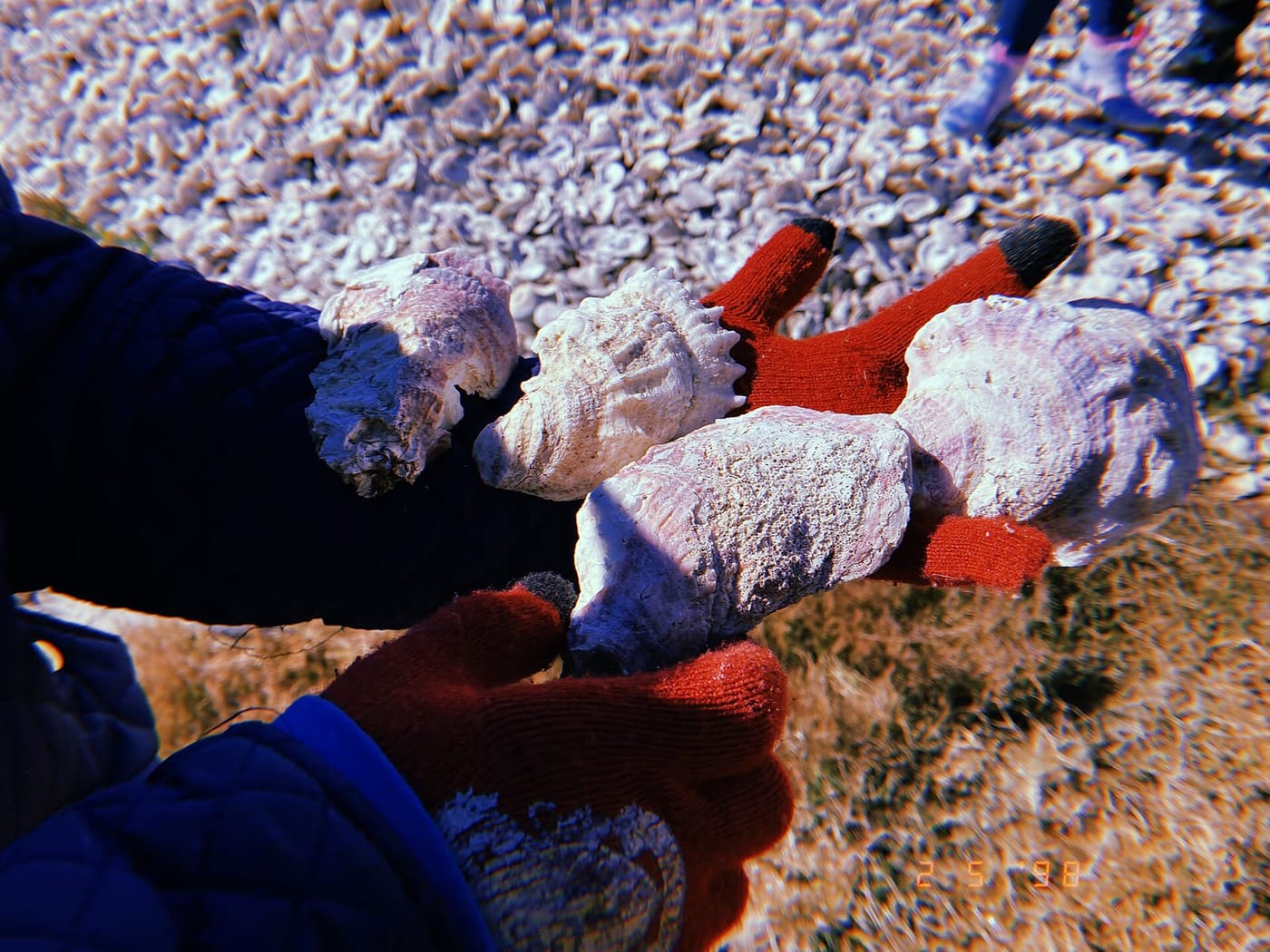
Hurricane Ike came ashore on September 13, 2008. Its surge dumped sediment and debris across the bay and buried more than half of Galveston Bay's oyster habitat, over 6,000 acres. In East Galveston Bay, between Smith Point and the Bolivar Peninsula, losses were at least 80%. By 2013, Texas Parks and Wildlife had restored more than 1,300 acres.1
Seasons Decided by Sampling
Texas opens and closes oyster areas based on its own sampling of the reefs. For the 2022–23 season, which ran from November 1 to April 30, 20 of the coast's 29 shellfish harvest areas started closed because samples showed low numbers of legal-sized oysters. In Galveston Bay, six areas were closed and three stayed open.2
Farming Arrives
Texas was the last coastal state in the country to allow commercial oyster farming. Laws passed in 2019 made cultivated oyster mariculture legal from September 1 that year.3 Farmed oysters give Texas a supply that does not depend on the state of the public reefs.
Flavor Breakdown
What Makes Galveston Bay Unique
Whether you can eat a wild Galveston Bay oyster depends on a state survey: Texas opens and closes harvest areas reef by reef based on sampling, and in 2022–23 six of the bay's nine areas started the season closed.2 Hurricane Ike buried more than half the bay's oyster habitat in 2008.1 Farmed oysters, legal in Texas only since 2019, are the first supply that doesn't hang on the reefs.3
Should You Add Lemon?
Gulf oysters take lemon and hot sauce well.
Pairing Guide
The Texas raw bar default.
Sharp acid for a big, softer oyster.
| Optimal | Lemon and hot sauce |
| Acceptable | Cocktail sauce with horseradish |
| Avoid | Nothing, if you want to taste the bay |
Who Is This For?
- Texas raw bar regulars
- Anyone interested in how reefs recover after hurricanes
- Anyone who wants a small, salty oyster
- Texas Parks & Wildlife Magazine (June 2013). "TPWD Restores Marshes and Reefs After Ike." tpwmagazine.com
- Texas Parks and Wildlife Department (October 27, 2022). "Texas Oyster Season Opens Nov. 1 With Multiple Bay Closures." tpwd.texas.gov
- Texas A&M AgriLife Today (July 18, 2019). "Legislation, science bode well for future of oyster aquaculture in Texas." agrilifetoday.tamu.edu