Basic Profile
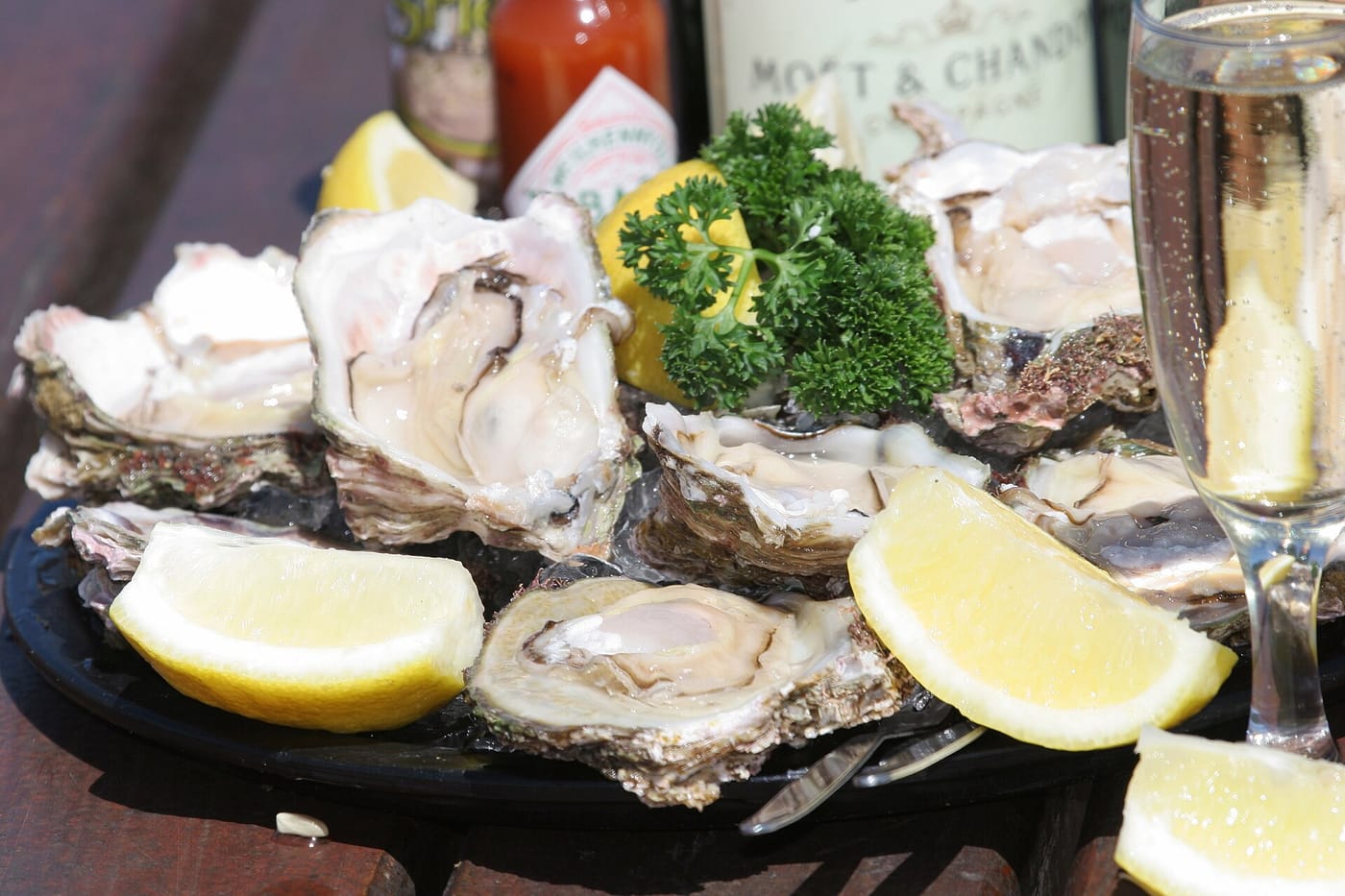
Two different oysters are eaten in Knysna. The cultivated one is the Pacific oyster, which today is grown in Port Elizabeth and Saldanha Bay. The wild one is a native coastal species collected between the tides by licensed harvesters.1

Why the Farms Left
Experiments with farming in the Knysna lagoon began in the late 1940s. Pacific oyster farming took off there in the 1970s, but in the tourism office's own words it turned out to be neither economically nor ecologically viable.1
The Knysna Oyster Company, founded in 1949, now farms in Nelson Mandela Bay in the Eastern Cape. It raises more than two million oysters a year from seed bought from Namibian hatcheries, and they reach market size in six to nine months.2
The Wild One
The wild coastal oyster lives along the south coast between the Transkei and Cape Agulhas. Its fossil shells turn up in middens left by people who lived on this coast 165,000 years ago.1
Flavor Breakdown
What Makes Knysna Unique
Knysna is a rare case of an oyster name that outlived its own farms. The company that carries it grows its oysters in another province, and the town's own native oyster is a different animal picked by hand.12
Should You Add Lemon?
The farmed oyster is firm and salty enough to take lemon without disappearing.
Pairing Guide
Cool-coast acid against salt.
More body, better with the wild oyster.
| Optimal | Lemon and black pepper |
| Acceptable | Tabasco |
| Avoid | Heavy cocktail sauce |
Who Is This For?
- Garden Route travelers who want to taste both oysters side by side
- Anyone interested in how oyster names drift from their water
- Anyone who expects a lagoon-grown oyster
- Visit Knysna. "Eat, see & learn about Knysna oysters." visitknysna.co.za
- SAnews, South African Government News Agency. "The Knysna Oyster Company: from Nelson Mandela Bay to the world." sanews.gov.za