Basic Profile
Middle Sound Mariculture grows three oysters in three sounds. The Tarheel Tiderunner comes from Stump Sound, along the shore of the uninhabited Permuda Island reserve. The Topsail Topstone grows behind Topsail Beach, less than a mile north of New Topsail Inlet. The Masonboro Pearl, which the farm calls a local favorite, grows next to the Masonboro National Estuarine Research Reserve.1
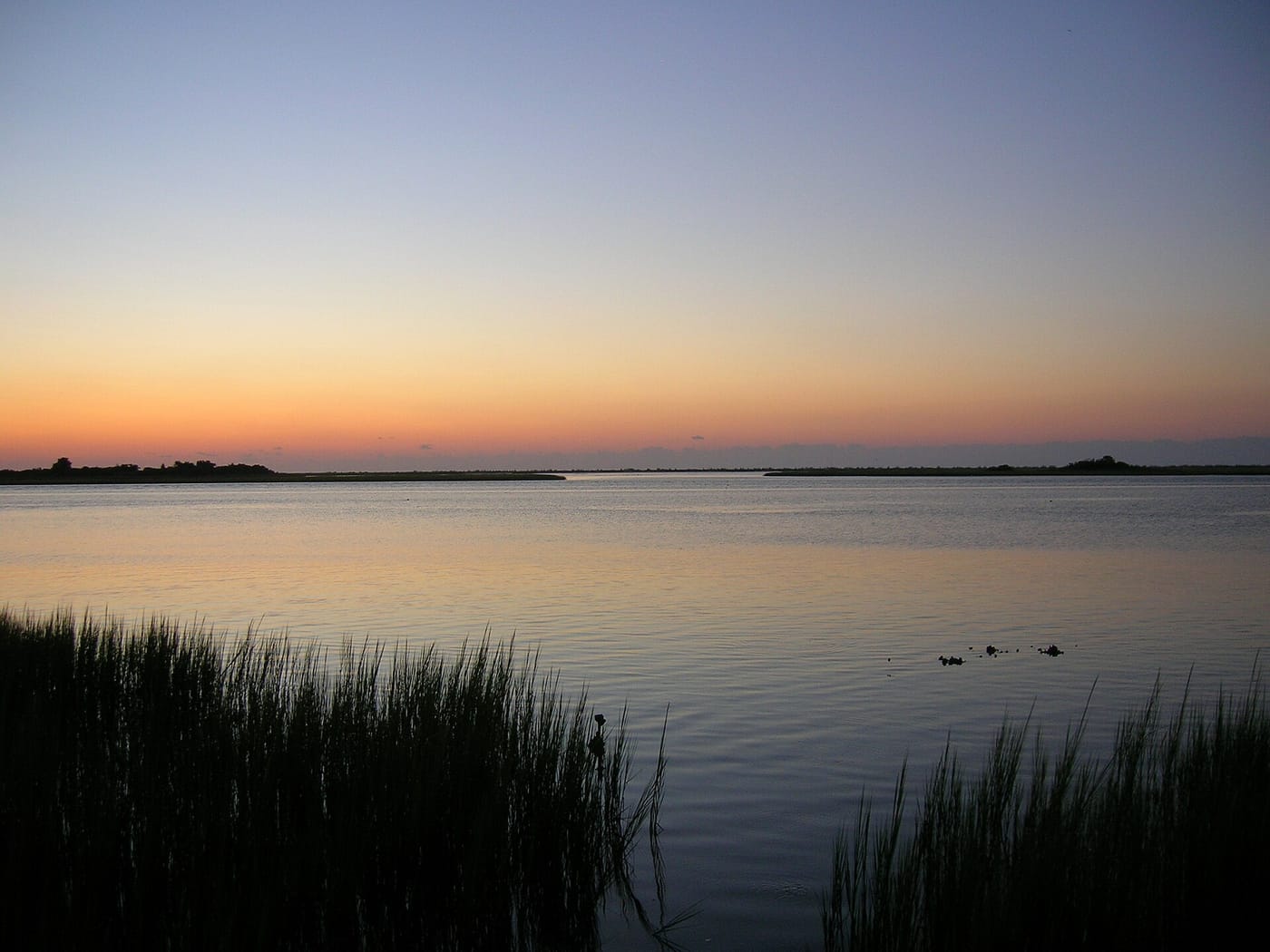

Carolina Jade
In late winter and early spring a blue-green microalga of the Haslea group blooms in these sounds. Oysters that filter it take up its pigment, and their gills turn a shade of jade. The farm sells them as Carolina Jades.1 It is the same effect that the French produce on purpose in their claires, described in Fine de Claire Verte.
Flavor Breakdown
What Makes Masonboro Pearls Unique
Green-gilled oysters are famous in France and rarely sold in America. Here they happen naturally for a few weeks a year, beside protected marsh.1
Should You Add Lemon?
A little. Salt and butter are already in step.
Pairing Guide
Saline and bright.
Rounder, to go with the buttery side.
| Optimal | Plain |
| Acceptable | Lemon or mignonette |
| Avoid | Heavy cocktail sauce |
Who Is This For?
- People who like salt and butter together
- Anyone curious about green-gilled oysters
- Those who want a lean, mineral oyster
- Middle Sound Mariculture. "Farms and Oysters." middlesoundmariculture.com
- Abraham, M. (12 September 2022). "What's So Special About NC Oysters? Savoring the NC Oyster Trail." Coastwatch, North Carolina Sea Grant. ncseagrant.ncsu.edu