Basic Profile
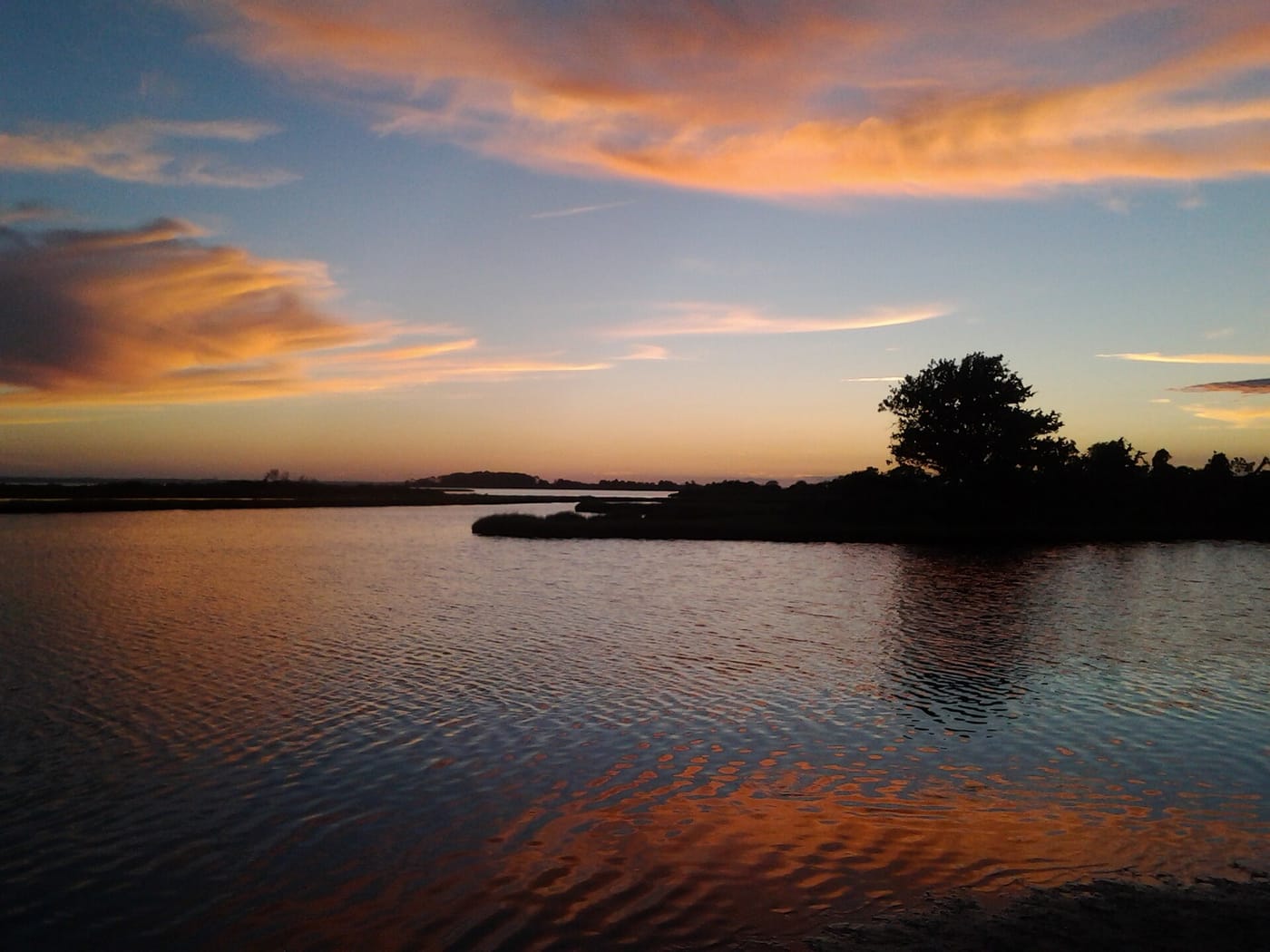
Chincoteague Island has almost no fresh water of its own. The bays and cuts around it are filled by the Atlantic, pulsing in and out through Chincoteague Inlet, and their salinity runs from 28 to 33 parts per thousand. Rappahannock Oyster Co. grows its Olde Salts there, beside more than 55,000 acres of protected coast.1

Twice the Salt, a Third of the Time
Rowan Jacobsen puts the difference in numbers. A typical Chesapeake oyster grows in water of 15 to 20 parts per thousand; an Olde Salt grows in upwards of 30. It also grows fast, reaching three inches in six months, a third of the time the Croxtons' own Rappahannock River oyster needs.2
Chincoteague oysters became famous for their salt in the years after the Civil War and were called the aristocrat of the oyster family.1 Jacobsen's caution is that Chincoteague Salts as a generic name can come from several producers or from the wild, where an Olde Salt comes from one.2 The island's history is told in the Chincoteague profile.
Flavor Breakdown
What Makes Olde Salt Unique
A named, single-source version of an oyster style that is otherwise sold loosely, from the same family that made the Rappahannock River oyster known again.2
Should You Add Lemon?
It is salt-forward and firm. Try it plain, or with a drop of mignonette.
Pairing Guide
Stone and acid against salt.
Roast and cream to calm the brine.
| Optimal | Plain |
| Acceptable | Mignonette |
| Avoid | Cocktail sauce |
Who Is This For?
- Brine lovers
- Anyone comparing bayside and seaside Virginia
- People who prefer sweet, low-salt oysters
- Rappahannock Oyster Co. "Olde Salt Oysters." rroysters.com
- Jacobsen, R. "Olde Salt." The Oyster Guide. oysterguide.com