Basic Profile
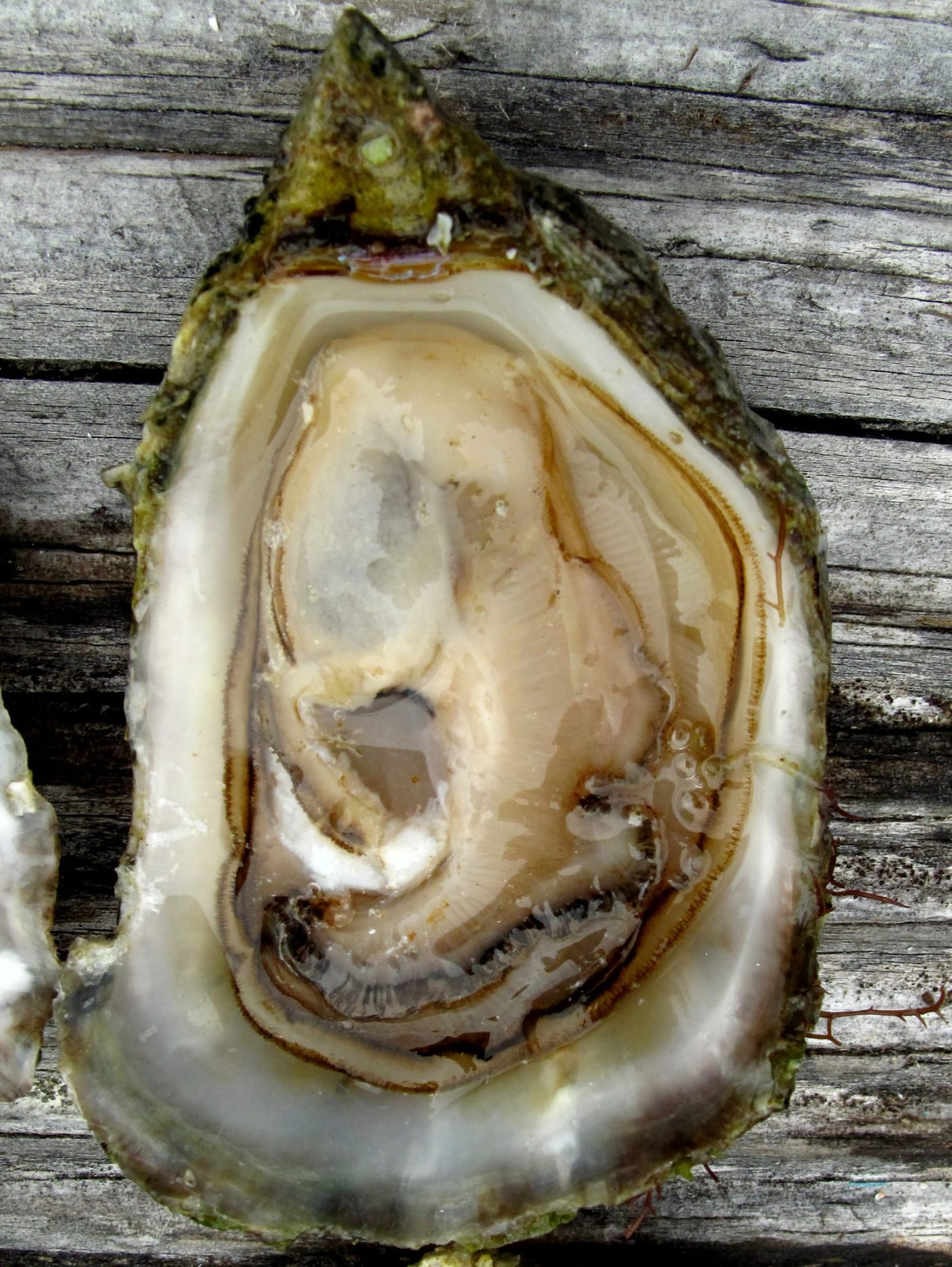
Ostrea lurida is the oyster native to the Pacific coast of North America, historically found from Sitka, Alaska, to Baja California. It grows slowly, reaching only about 1.5 inches after three to four years.1
Harvest and Decline
Intensive harvesting from 1850 into the early 1900s devastated native beds, and by 2012 as little as 5% of historical oyster bed habitat remained in Washington. Wild stocks in Puget Sound are closed to commercial and recreational harvest, and the species is listed as a Species of Greatest Conservation Need in the state.1
Restoration
Since 1999, the state and partners have worked on 19 priority sites, and in 2022 reached a ten-year goal of restoring 100 acres of Olympia oyster habitat.1 The oysters on menus are farmed; growers include Taylor Shellfish, Chelsea Farms and Hog Island.23 The coppery taste they are known for is discussed in why some oysters taste metallic.
The Name
Taylor Shellfish tells the story that the oysters were known as "Native Western" until they were renamed after statehood in 1889, when Olympia served them at public meetings during the contest to choose the state capital.2
Flavor Breakdown
What Makes Olympia Unique
The Olympia is the only oyster native to North America's Pacific coast, and one of the smallest you will eat: about 1.5 inches after three to four years.1 Overharvest and pollution cut Washington's beds to about 5% of their former extent, and wild stocks are closed to harvest.1 Every Olympia on a menu is farmed, and eating one is a small vote for the growers keeping the species in the water.
Should You Add Lemon?
A tiny, intense oyster; lemon would drown it.
Pairing Guide
Mineral and precise for a coppery oyster.
Salty, nutty and savory enough for the mushroom note.
| Optimal | Plain |
| Acceptable | A drop of mignonette |
| Avoid | Cocktail sauce |
Who Is This For?
- Anyone curious about native species
- Fans of intense, metallic oysters
- Anyone who wants a big mouthful
- Washington Department of Fish & Wildlife. "Olympia oyster." wdfw.wa.gov
- Taylor Shellfish Farms. "Olympia Oysters." buy.taylorshellfishfarms.com
- Chelsea Farms. "From Sea to Shell"; Hog Island Oyster Co. "Tomales Bay Farm." chelseafarms.net; hogislandoysters.com