Basic Profile
In 1910 Jesse Hayes found oyster shell in dredge spoils from Tillamook Bay, and the idea of farming there stayed with him. In 1928 he planted oyster seed from Japan, obtained by way of Canada, in a bay that had no oysters.1
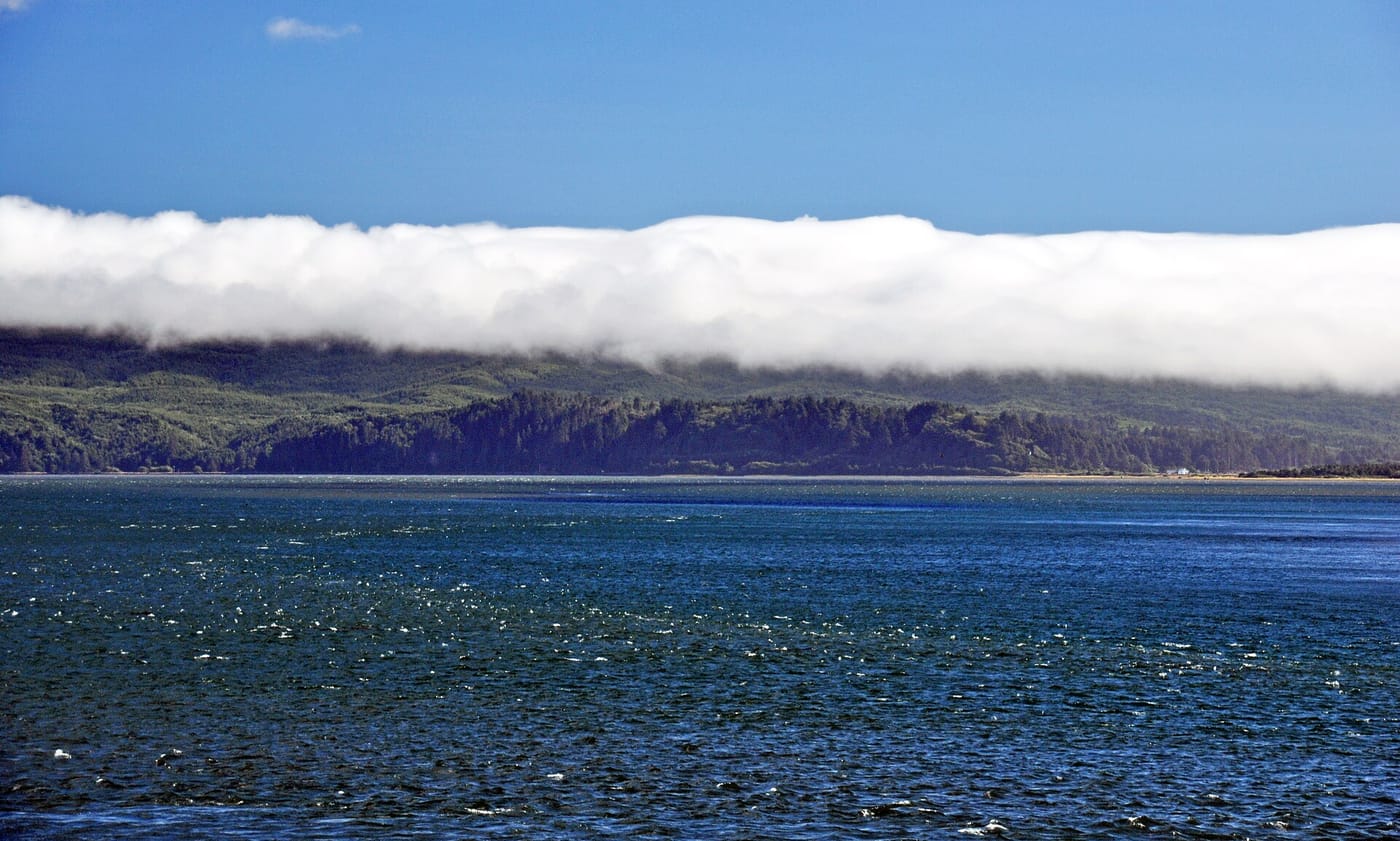
_9.jpg)
The Hayes Family
In the 1930s Hayes and other Bay City residents leased state land for oyster culture, and at least 16 members of the Hayes family worked in the business. His grandson, also named Jesse, oversees Hayes Oyster Company today.1
The Breach
The bay has been reshaped more than once. A jetty went in at its mouth in 1917. In 1952 the sea broke through Bayocean Spit and poured into the bay, and the Army Corps of Engineers did not close the breach until 1956.1
Oystering on this coast is older than the farm. Next door, on Netarts Bay, a settlement called Oyster Bay stood by 1859, and in 1867 schooners from San Francisco were paying 50 cents a bushel for native oysters.1
Flavor Breakdown
What Makes Tillamook Bay Unique
Pacific oyster farming in Oregon starts here, with one man and a seed shipment in 1928. Three generations later the same family still works the bay.1
Should You Add Lemon?
Sweet and soft, and better with acid.
Pairing Guide
The state's default white for its oysters.
With a plate of fried ones.
| Optimal | Lemon |
| Acceptable | Tartar sauce on fried oysters |
| Avoid | Nothing delicate is at stake |
Who Is This For?
- People who like their oysters fried or in a stew
- Anyone tracing how Pacific oysters reached the West Coast
- Half-shell purists
- Tillamook Headlight-Herald (14 July 2009). "150 years of oyster farming." tillamookheadlightherald.com