Basic Profile
The York River meets the lower Chesapeake Bay between Yorktown and Gloucester Point. Near its mouth the water carries around 20 to 22 parts per thousand of salt, enough for a properly briny oyster.1 The best-known farm, York River Oysters, grows its oysters about a mile from the site of the last battle of the Revolutionary War.2

How They Are Grown
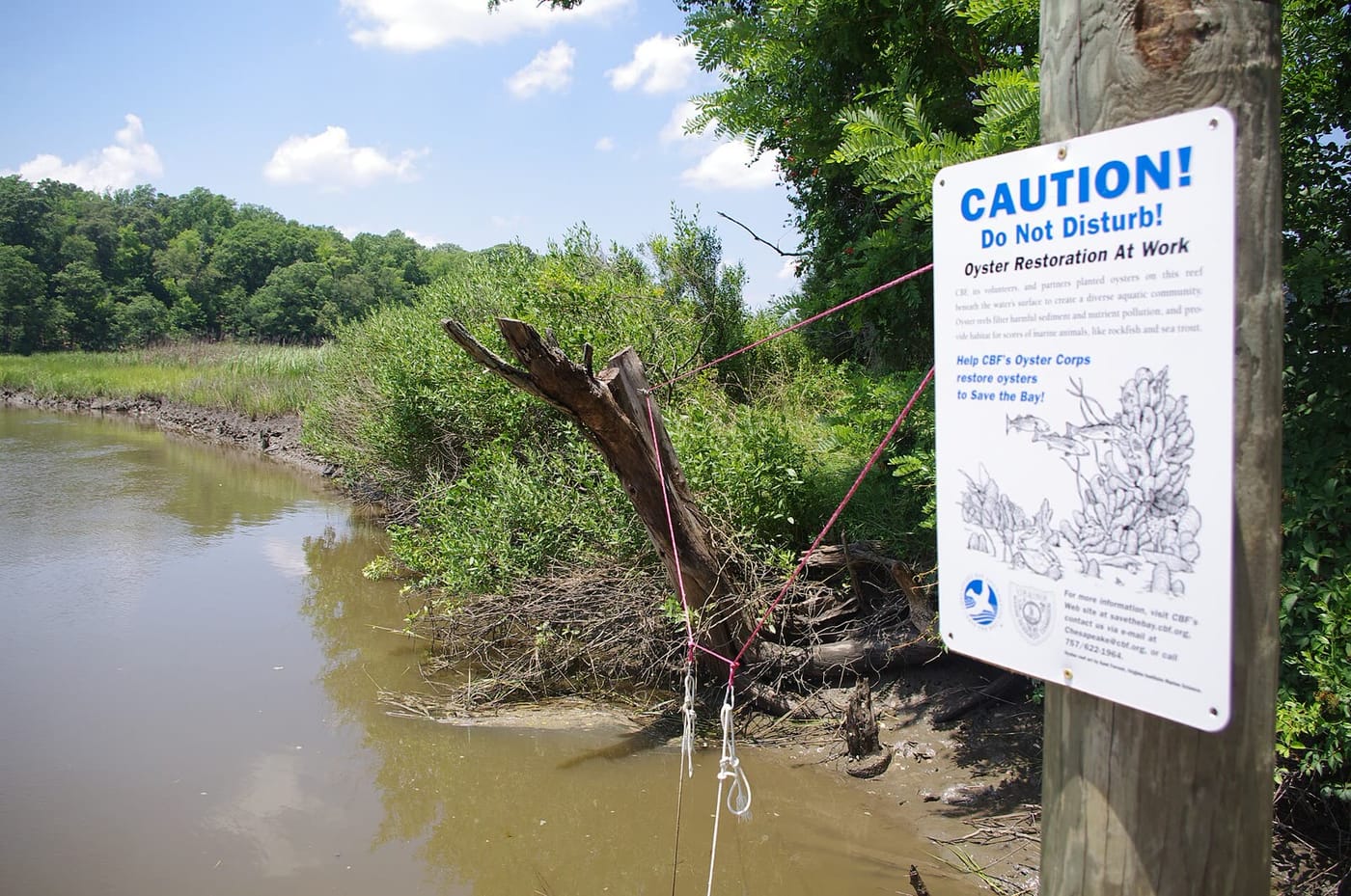
Tommy Leggett, who runs York River Oysters, buys seed from a local hatchery and plants it on the farm each June. The oysters grow in cages held off the bottom for about one to two years, feeding only on the algae in the river, with no feed or chemicals added.2 Across the river at Gloucester Point is the Virginia Institute of Marine Science, one of the main centers of oyster research on the East Coast.
Flavor Breakdown
What Makes York River Unique
York River Oysters grow about a mile from where the last battle of the Revolutionary War was fought, and across the river from one of the main centers of oyster research on the East Coast, the Virginia Institute of Marine Science.1 The water sits in the middle of Virginia's salt range, and the grower's own description matches it: salty, then sweet.1
Should You Add Lemon?
A small squeeze is fine; try one plain first.
Pairing Guide
Salty, bright and local.
For the sweet finish.
| Optimal | Plain or mignonette |
| Acceptable | Lemon |
| Avoid | Heavy cocktail sauce |
Who Is This For?
- Visitors to Yorktown and Gloucester Point
- Anyone comparing Virginia's rivers
- Salt hunters, who should look to the Eastern Shore
- York River Oysters. yorkriveroysters.com
- LocalHarvest. "Tommy Leggett's York River Oysters." localharvest.org