Basic Profile
On 13 October 2020 the European Union registered Malostonska kamenica, the oyster of Mali Ston Bay, as a protected designation of origin. The growers' association Stonski školjkari had filed the request in August 2017.1 The association calls it the first quality label for a farmed European flat oyster anywhere in the EU, and says it took local farmers five years of work.2
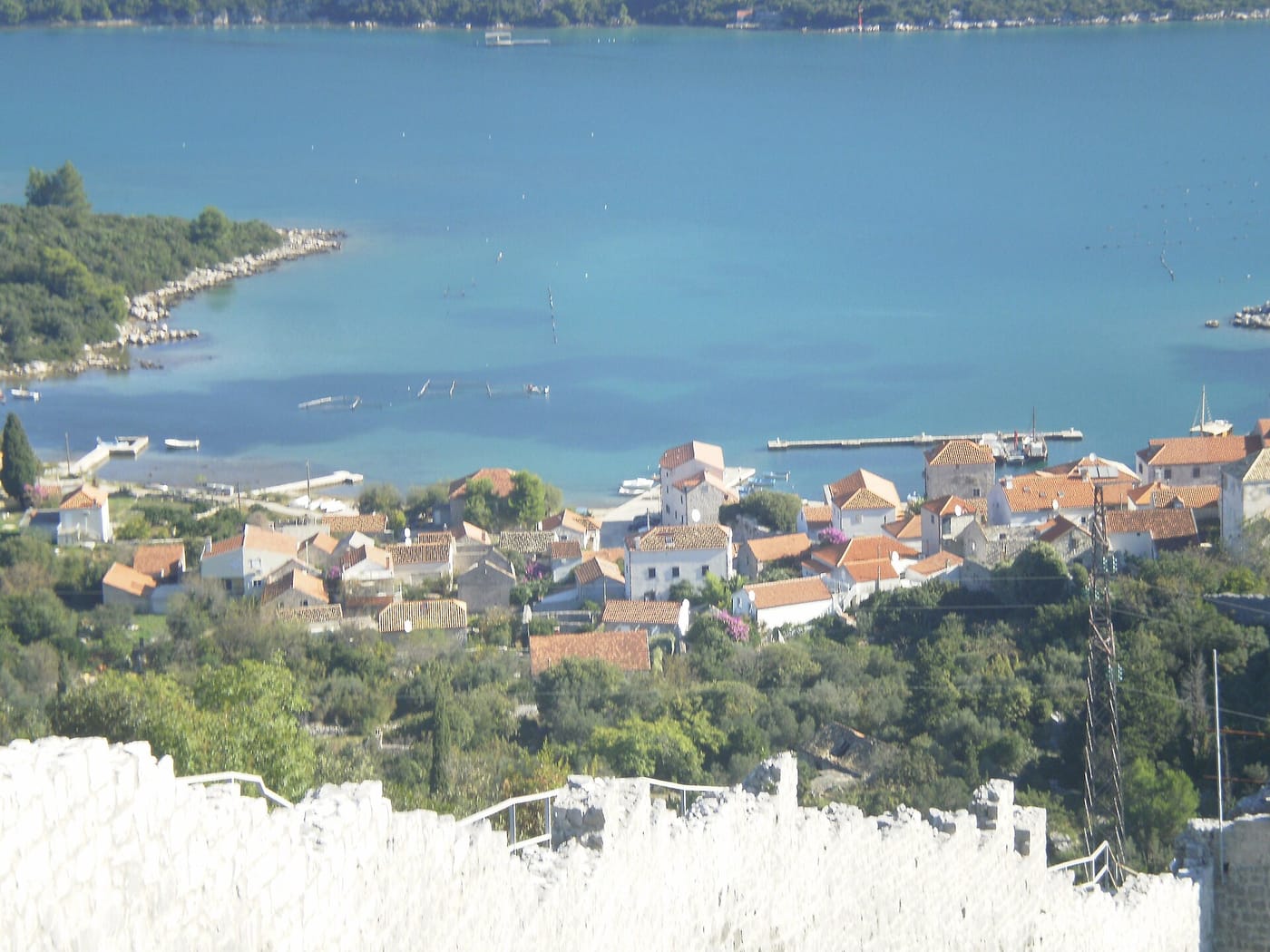

A Bay Farmed Since Ragusa
Remnants of Roman oyster farming have been found around the bay. The first written records of oyster gathering there date from the sixteenth century and of shellfish culture from the seventeenth, both kept by the Republic of Ragusa. In the 1980s the bay produced up to two million oysters a year, about 60% of Croatia's oysters, before its facilities were badly damaged in the Croatian War of Independence.3
Ston oysters won the Grand Prix and a gold medal at the General Trades International Exhibition in London in 1936.4
Why the Shore Stays Empty
The bay has been a special reserve since 1983, covering 4,821 hectares.3 That status blocks construction on its shores, and the association reports weekly checks of both seawater and shellfish.2 For a flat oyster this matters more than for most: across Europe the species is being rebuilt in places that lost it, while here it never stopped being farmed.
Flavor Breakdown
What Makes Mali Ston Unique
Mali Ston is the one farmed European flat oyster whose name the EU protects.2 The record behind the name runs from Ragusan documents of the sixteenth century to a reserve declared in 1983, and the bay still supplied most of Croatia's oysters in the 1980s.3
Should You Add Lemon?
A few drops only. The finish is the reason to order a flat oyster, and lemon shortens it.
Pairing Guide
The dry white of Korčula and the Pelješac peninsula.
Croatia's northern white: more aromatic, still dry enough for a coppery oyster.
| Optimal | Plain |
| Acceptable | A few drops of lemon |
| Avoid | Cocktail sauce |
Who Is This For?
- Anyone who likes flat oysters but not the salt of the Atlantic ones
- Travelers on the road between Dubrovnik and Split
- Drinkers who want a sweet, creamy cupped oyster
- Rogulj, D. (13 October 2020). "Mali Ston Oysters Awarded EU Protected Designation of Origin." Total Croatia News. total-croatia-news.com
- Udruga Stonski školjkari. "European Protected Designation of Origin." malistonoyster.com
- Wikipedia. "Bay of Mali Ston." en.wikipedia.org
- Croatia Week (13 October 2020). "Oysters from Mali Ston become 28th Croatian product awarded EU protection." croatiaweek.com