Basic Profile
The Pacific oyster, Magallana gigas (long known as Crassostrea gigas), is native to the Pacific coast of Asia. It was introduced to the US Pacific coast in the 1920s and to France in 1966, largely to replace native oysters that had collapsed.1
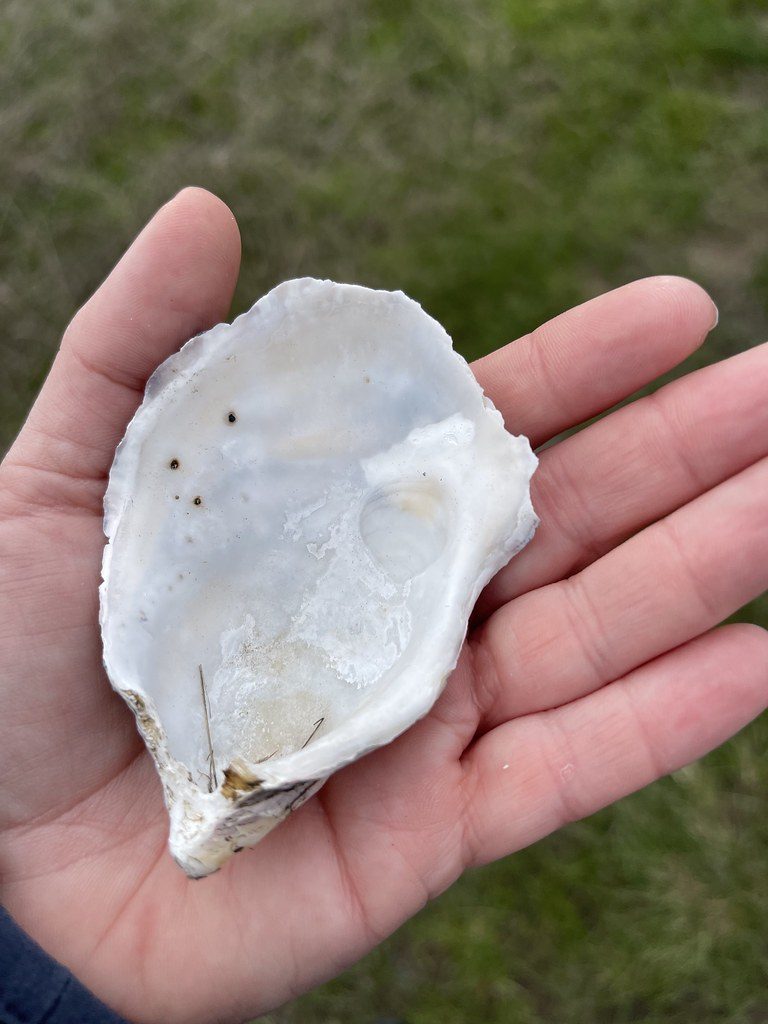
Everywhere at Once
By 2003 world production reached 4.38 million metric tons, 84% of it from China, with Japan, France and South Korea among the other large producers.1 It grows fast, tolerates a wide range of water and breeds prolifically, a female releasing 50 to 200 million eggs in a spawn.1 The same traits make it invasive in places, crowding out Olympia oysters in Puget Sound and rock oysters in New Zealand.1
The Rescue Stories
Pacific oysters twice saved whole industries: on the US West Coast after the native Olympia declined, and in France after disease destroyed the Portuguese oyster, a story told in how Japanese oysters saved French oyster farming. The first Japanese seed reached Washington's Willapa Bay in 1919.
Flavor Breakdown
What Makes Pacific Oyster Unique
The Pacific oyster is the world's default oyster, and that is its interest: one species grown in almost every kind of water and gear, so that a Kusshi, a Gillardeau and a Hiroshima kaki are the same animal. Comparing them is the clearest way to taste place and method.
Should You Add Lemon?
Depends on the oyster: a salty one takes lemon, a sweet one doesn't need it.
Pairing Guide
The all-purpose oyster wine.
Works with nearly every Pacific.
| Optimal | Plain or mignonette |
| Acceptable | Lemon |
| Avoid | Heavy cocktail sauce on a good one |
Who Is This For?
- Anyone learning oysters by comparing places
- Diners who like variety
- Anyone looking for a native species
- "Pacific oyster." en.wikipedia.org
- See Reading the number on the water and Inside the claire for sources on salinity and finishing.